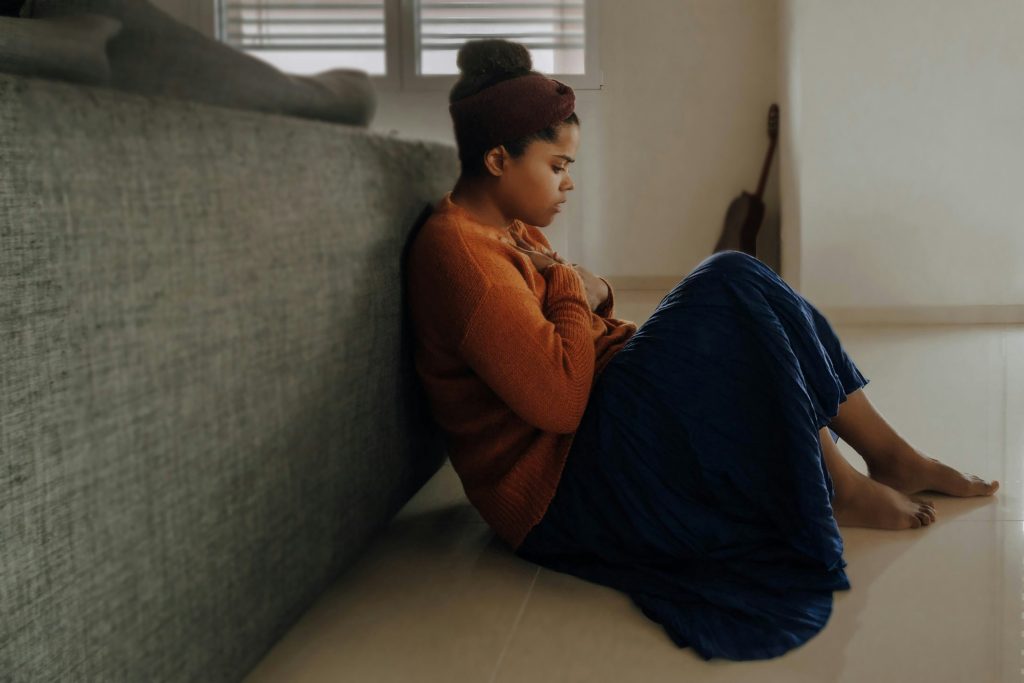
There is a woman somewhere on this continent who has not slept properly in six weeks. She wakes up at 3 am with her chest tight and her mind already running — work, money, her mother’s health, the thing her partner said last Tuesday that she has not been able to shake. By 6 am, she is up, dressed, and functional. By 8 am, she is at her desk. If you asked her how she was doing, she would say fine. She would mean it, in the way that people mean things they have said so many times they have stopped questioning them.
She is not in crisis, exactly, but she is not okay either. The distance between those two things is where most of us live.
The internet always fills up with infographics and gentle reminders to “check on your strong friend,” and hotline numbers shared with the best of intentions, especially during mental health awareness month in May. All of it is well-meaning. Most of it sliding past the people who actually need it, because the framing is always the same — therapy, professional help, a diagnosis, a coach. Things that feel very far away from ordinary life, especially on a continent where a single therapy session can cost more than a week’s groceries and the nearest qualified professional might be an hour’s commute away on a good day.
However, what that framing keeps missing is that the idea that mental wellness belongs exclusively in a therapist’s office is a relatively new one. And it was never the whole story.
Long before anyone called it mental health, African communities had systems for exactly this. The elder you went to sit with when something was weighing on you, not for advice necessarily, but just to be heard by someone who had seen enough of life to hold your trouble without flinching. The aunt who could read a room and knew, without being told, that you needed to talk. The gathering after a funeral that was never just about grief but about making sure nobody carried it home alone. The prayer that was less about divine intervention and more about having somewhere, finally, to put the thing you had been carrying all week. These were not substitutes for care; they were real care. Entire communities were built around the quiet understanding that human beings are not meant to carry things alone, and that the mind, like the body, needs tending.
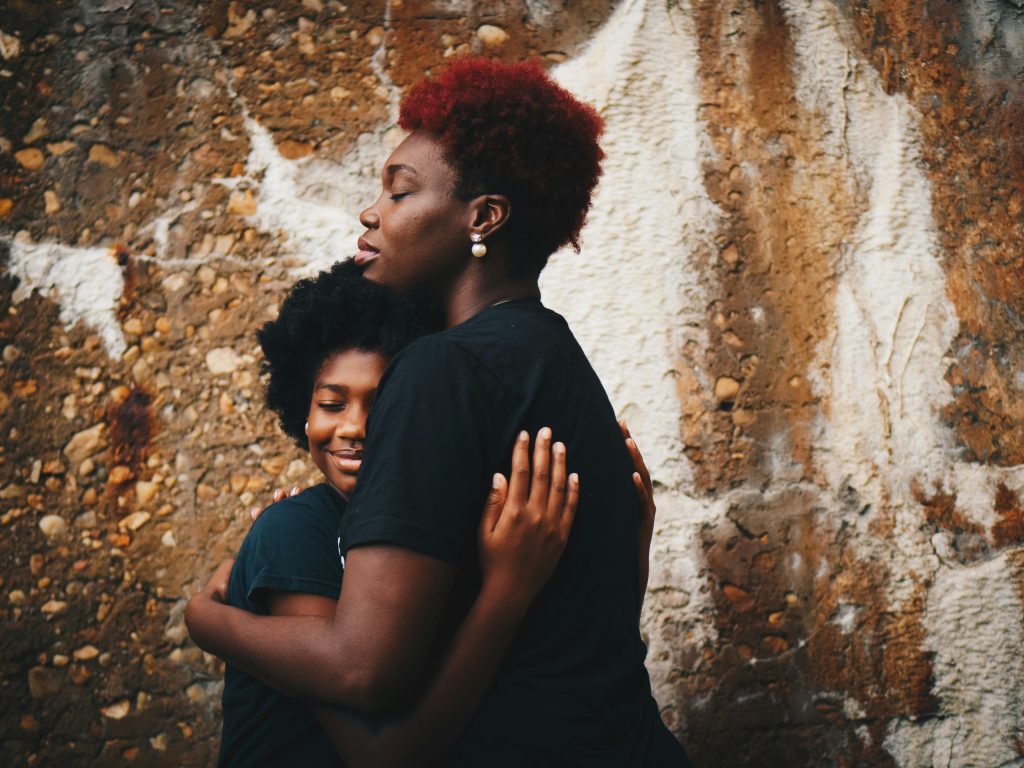
Somewhere along the way, we separated those things. Wellness became clinical. Asking for help became a sign of weakness or worse, particularly across communities of faith — a sign that you did not trust God enough, that your belief was somehow defective. The strong friend became a personality type instead of a warning sign. A whole generation of people learned to perform fine so convincingly that they eventually forgot they were performing.
This is not an indictment of culture, or religion, or the very real ways community has saved people’s lives across this continent. It is an honest look at what gets lost when we celebrate resilience so loudly that we never stop to ask what it cost the person performing it.
The good news is that something is shifting. Across Africa, more people are beginning to name things that previously had no name in their households. Anxiety, burnout, grief that never got space to be grieved. The particular exhaustion of building a life in economies that demand everything and guarantee very little. Young women especially are beginning to refuse the inheritance of silent suffering that was handed down to them like fine china — kept behind glass, never examined, never questioned. They are choosing different. And that choice, quiet as it sometimes looks, is not small.
The conversation is also widening beyond who we assumed it belonged to. Mental health is not a women’s issue, or a young person’s issue, or something that only affects people who have the language for it. It lives in the man who was taught that silence is dignity and has been holding that silence for thirty years. It lives in the teenager who cannot explain why everything feels so heavy. It lives in the parent who is so focused on keeping everyone together that they have not once considered asking whether they are okay.
The entry point does not have to be a booking confirmation from a therapist, though if you can access one, please do not talk yourself out of it. It can start smaller and closer than that. With deciding, genuinely, that rest is not laziness and learning to say “no” without composing an essay of justification. With noticing that you have been running on obligation and adrenaline for so long that calm now feels foreign, letting one conversation with a friend, a sibling, a partner be honest instead of edited.
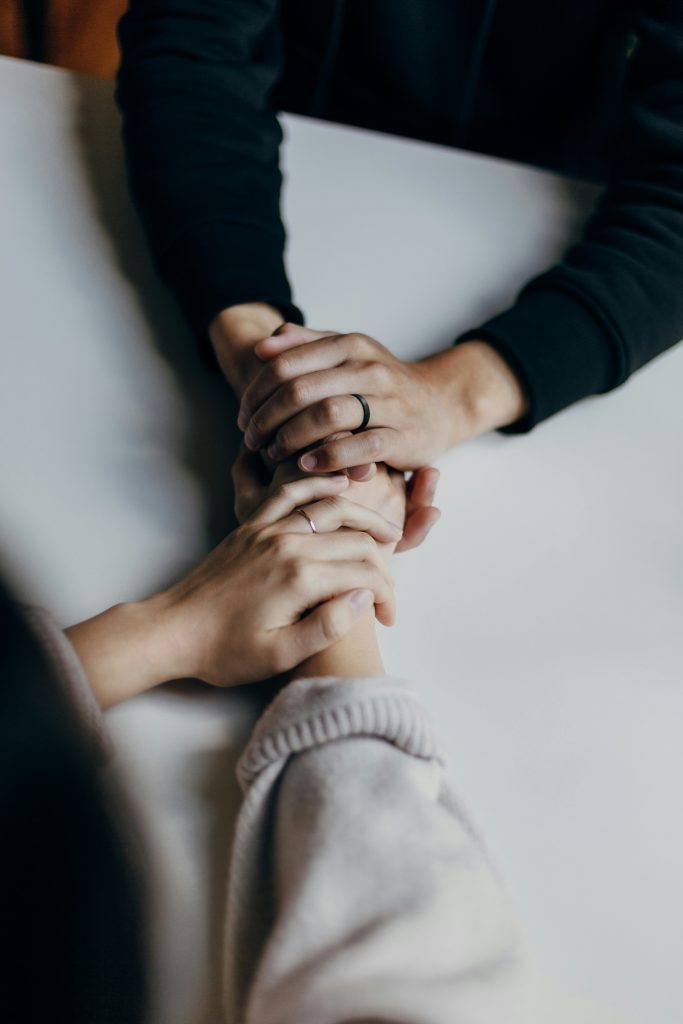
None of this is weakness. African traditions have always known that people need people. That healing is communal. That you do not simply move on from hard things; you move through them, and ideally not alone. The work now is in recovering that wisdom, and in refusing the idea that emotional wellbeing is something only certain people get to prioritise.
The woman who has not slept in six weeks is not broken. She is overdue for a real conversation — with herself first, and then perhaps with someone who loves her, about what she actually needs. Not because something is wrong with her, but because something is very right about wanting to feel better.
That is where it starts. Not in a clinic or with a label. Just with the quiet, radical decision to stop pretending that fine is enough.
By Oluwadamilola Alade