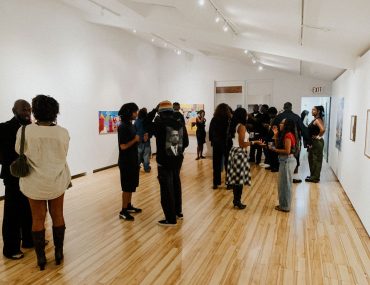
The Afro Casa Silvana Museum (MACAS) will, for the first time in Puerto Rico, inaugurate the largest exhibition dedicated to the theme of the Afro comb entitled The Afro Comb: a history of identity and resistance, on Saturday, August 22.
The exhibition is presented within the framework of the International Day of People of African Descent to be held on August 31, in homage to the contributions of the African diaspora around the world. It features more than forty Afro picks, some originating from African ethnicities such as the Baule, Gogo, Ashanti, Luba, Swahili, Bamum, Chokwe, and Bemba, among others.
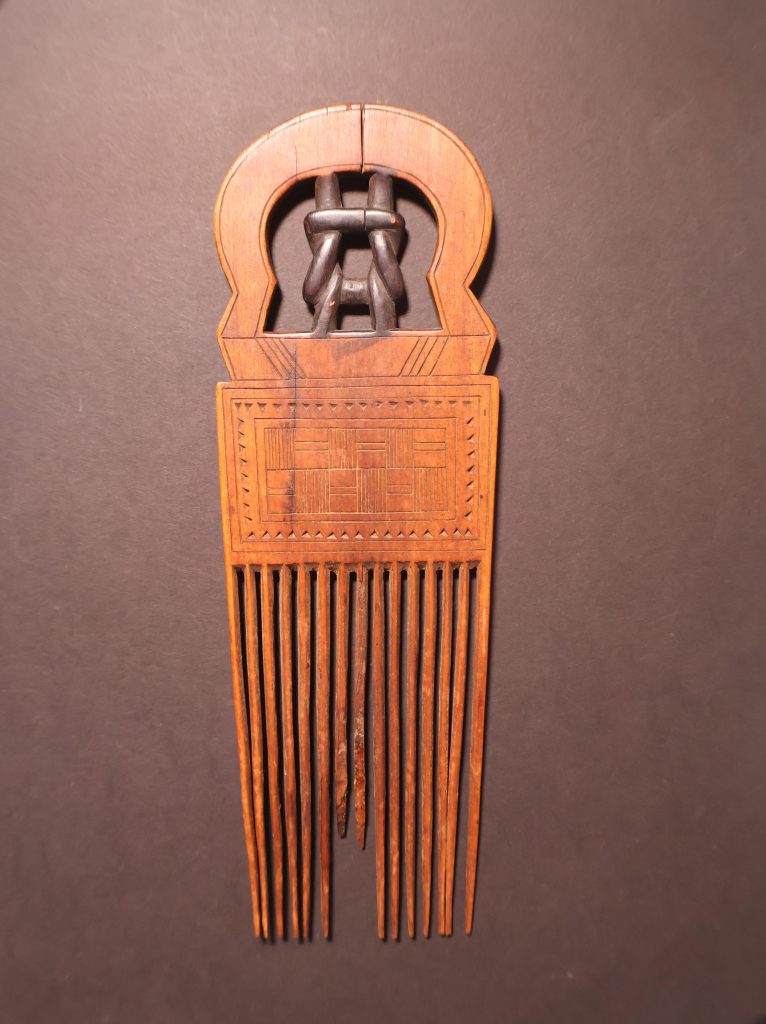
Additionally, the Black Fist Comb, patented in the United States in 1976 and significant to the movements, will be on display.
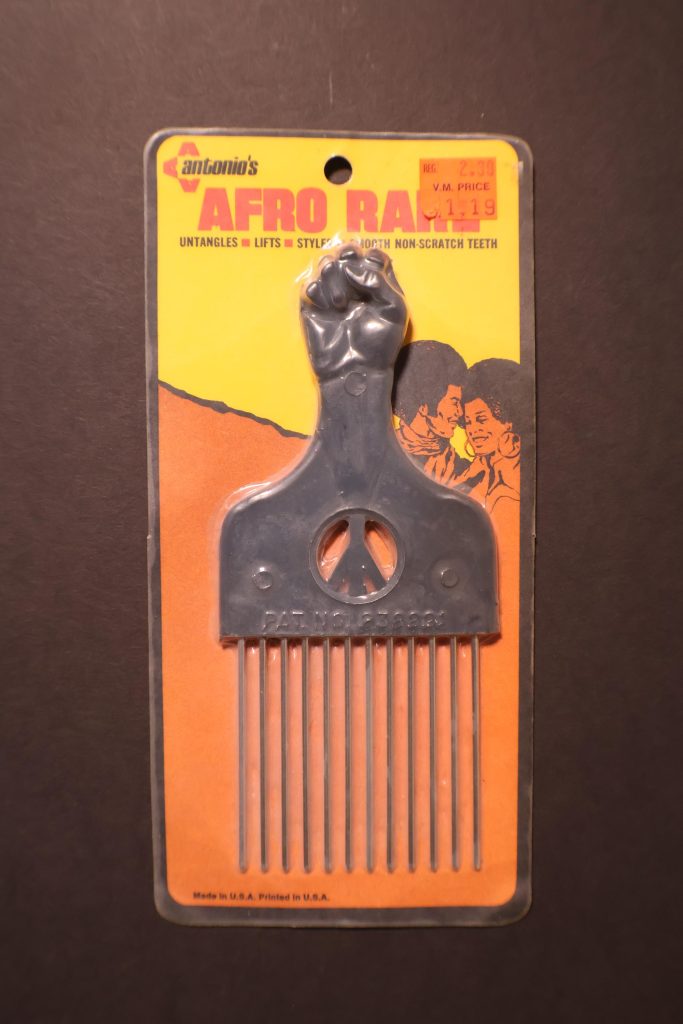
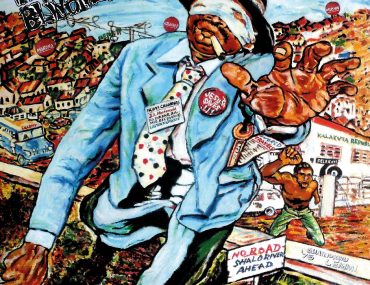
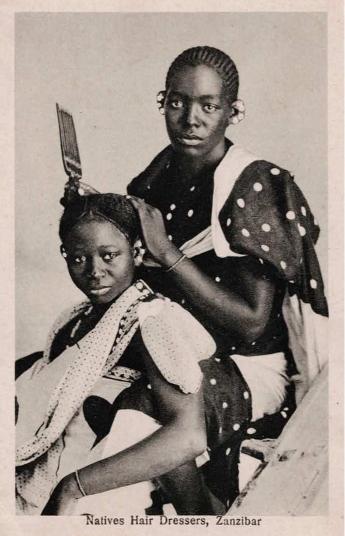
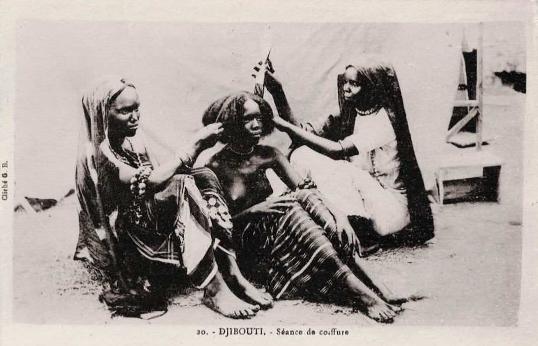
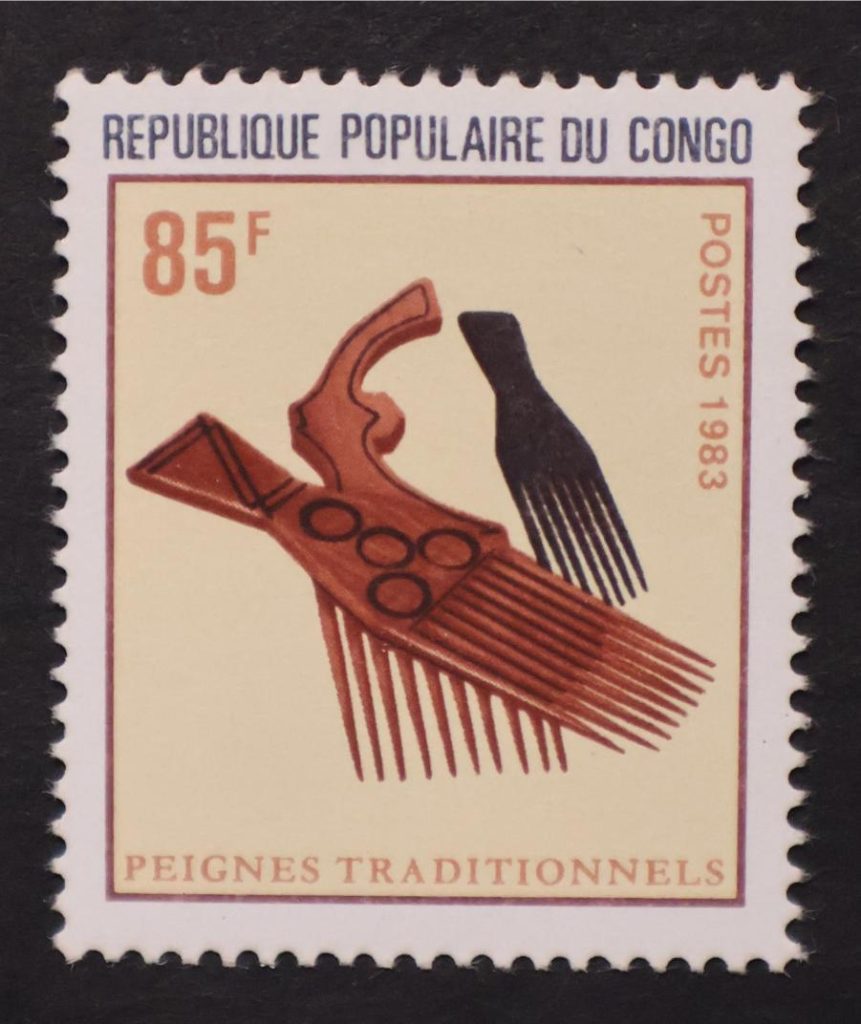
“Black Power” and “Black is Beautiful” from the 60s and 70s, stamps, photos, and other items will also be included, alongside old books and postcards that highlight the social role of the Afro comb in Afro-descendant society.
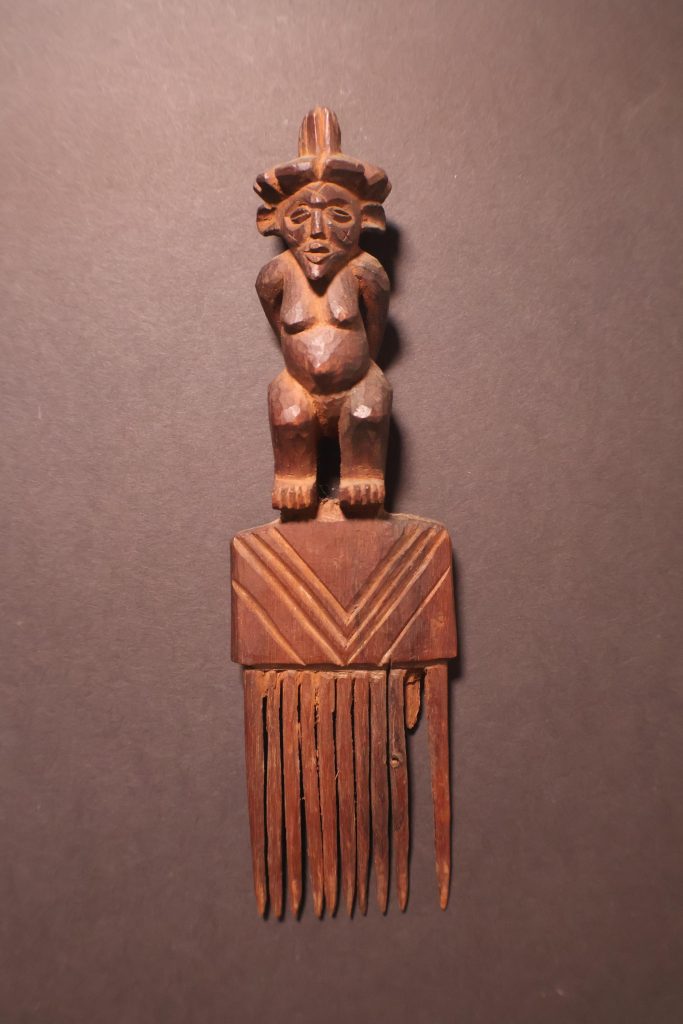
Regarding the Afro combs, co-curator Joyce De Jesús Martínez points out:
They were very important pieces; each person could have at least one. They were not lent out and were considered items to be buried along with other valuable possessions and to transition to the afterlife with the deceased.
Joyce De Jesús Martínez
Additionally, in the Conrado Room, the collective exhibition The Five Skins: Artists in Conversation is also inaugurated with works by the artists Javi Cintrón, Indio Meléndez, Alana Serbiá, Yelimska Crespo, Andrés Miró Lugo and Nassim del Río as part of an invitation to converse and reflect on the theme As Cinco Peles: corpo, território, mundo (The Five Skins: body, territory, world) of the fourth edition of Black Brazil Art 2026.
The exhibition The Afro Comb: A History of Identity and Resistance, organised by curator Edwin Velázquez Collazo and co-curator Joyce De Jesús Martínez, will be on display until November 14.
MACAS is located in the Mambiche Prieto neighbourhood of Humacao and is open Thursday through Saturday from 12:00 to 5:00 pm. Admission is free.
This project is made possible thanks to a contribution from the Center for Creative Economy through its Maniobra program.