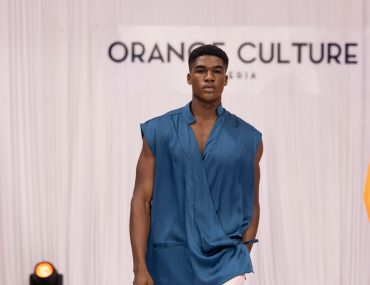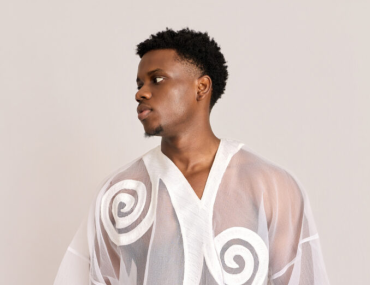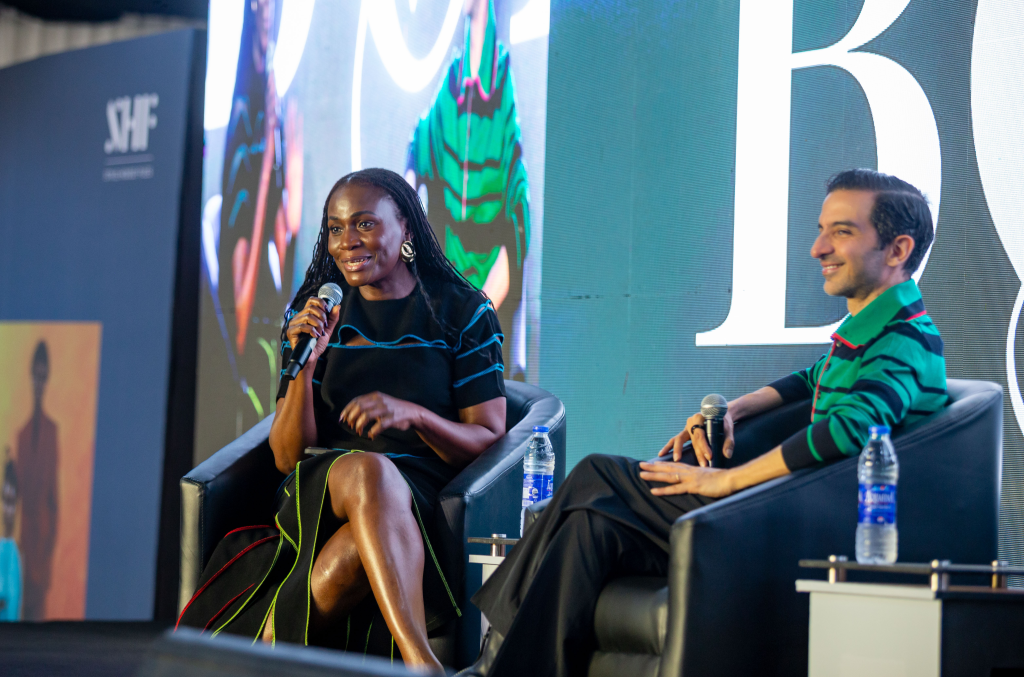
On day 2 of Lagos Fashion Week 2026, African designers presented a range of looks that shared a common theme: reworking the language of craft on the runway.
Lagos Fashion Week returned for its 16th edition under the theme CRAFTED: Heritage. Innovation. Circular Futures, exploring the knowledge, skill and creative processes shaping African fashion. This season, which kicked off on Wednesday, October 28, also brings heritage into the conversation with contemporary design, innovation and new perspectives on the industry’s future.
Looks From Day 2 of Lagos Fashion Week 2026
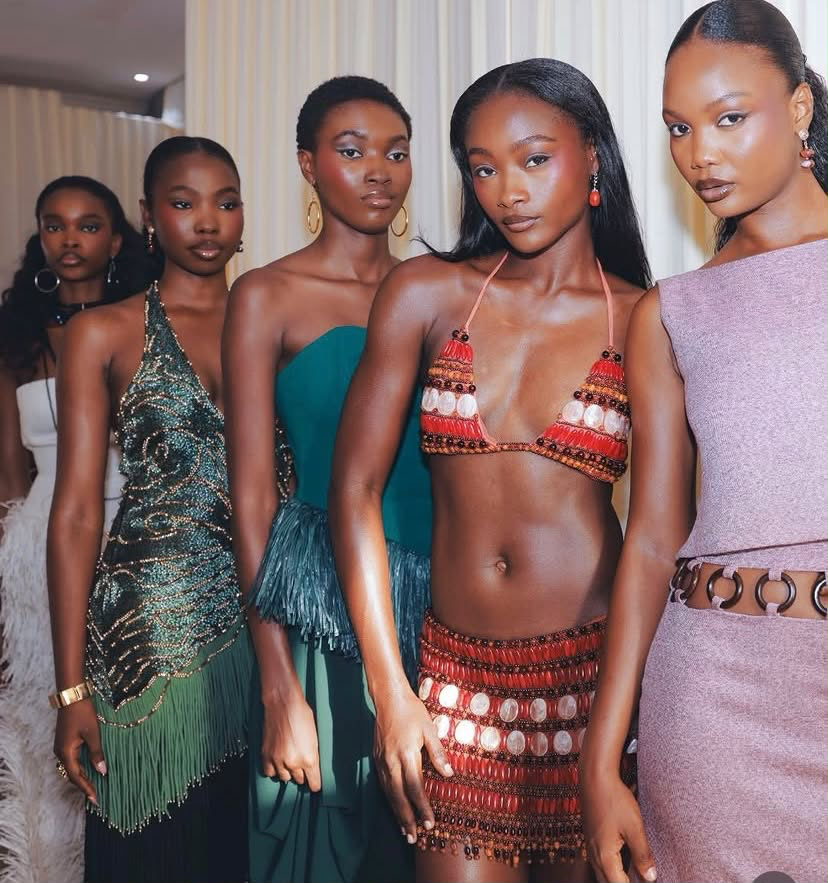
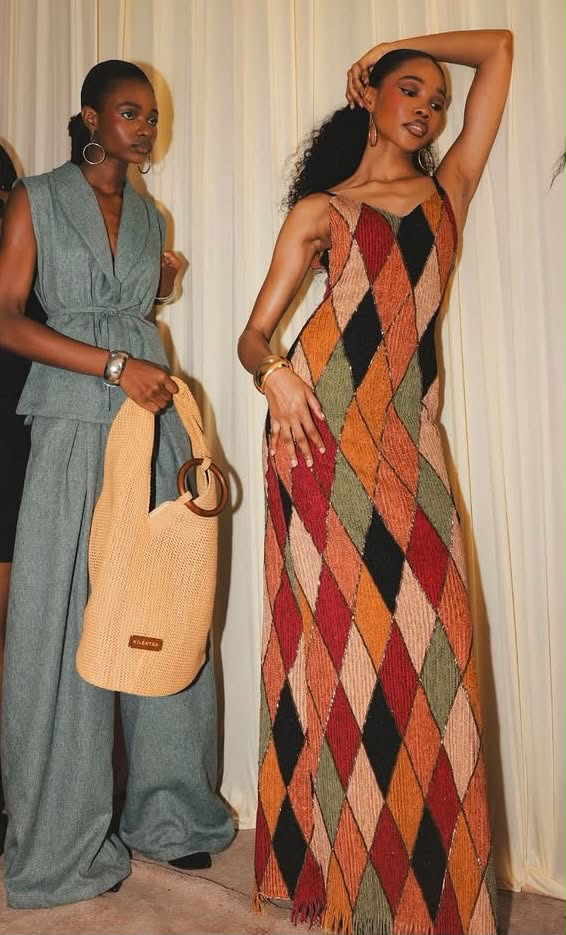
Kilentar opened with off-site presentations with plaid dresses and swimwear, revisiting signature pieces from previous seasons. Fringing remained a defining feature, bringing movement to the collection.
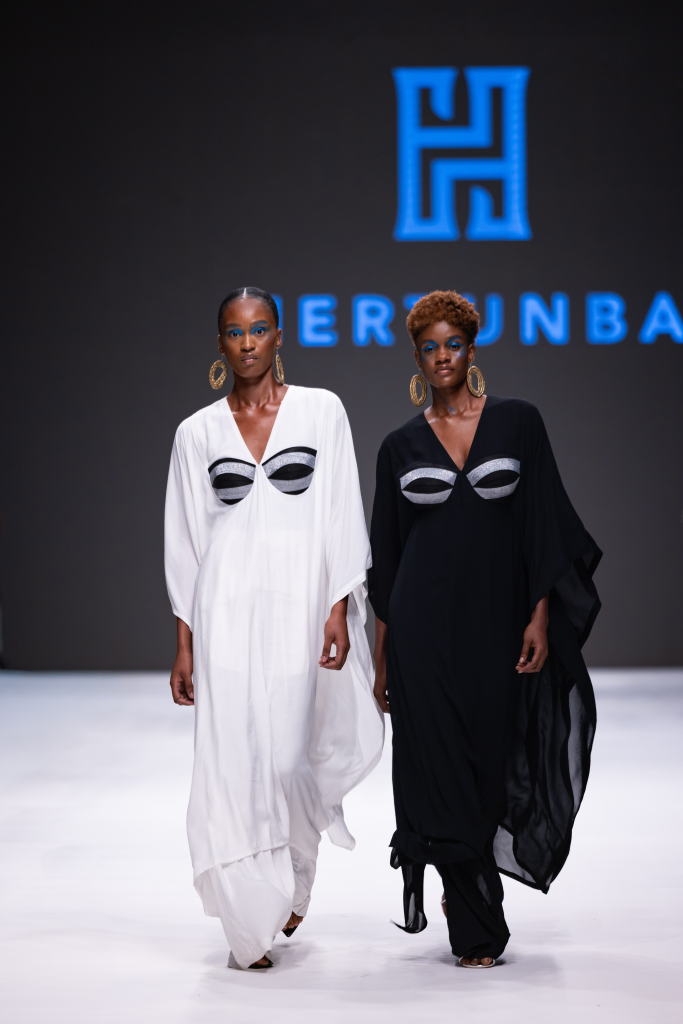
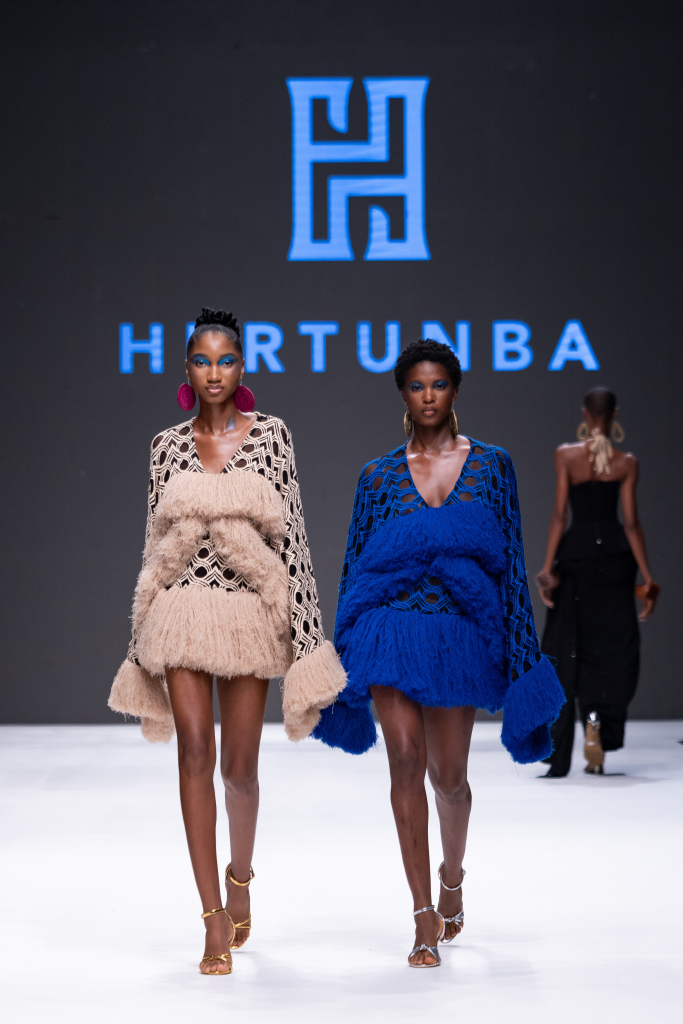
At the Lagos Fashion Week tents, Hertunba continued the conversation with her signature drop-waist silhouettes, statement fringes and beaded embellishments in shades of blue, brown and black. The collection extended the design language of her previous presentation, Akaoru.
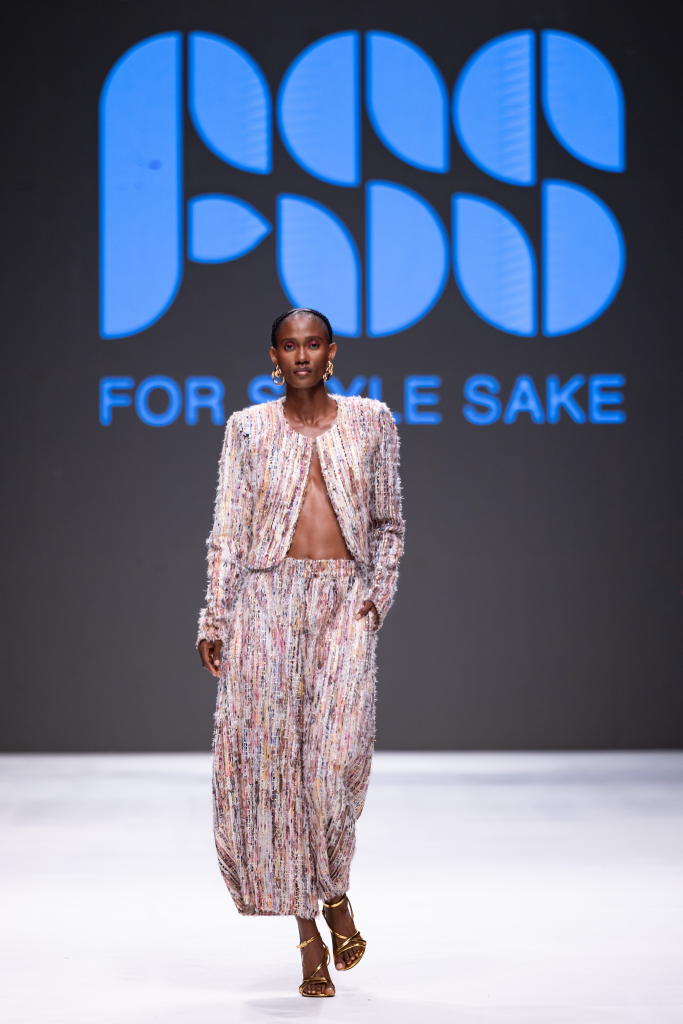
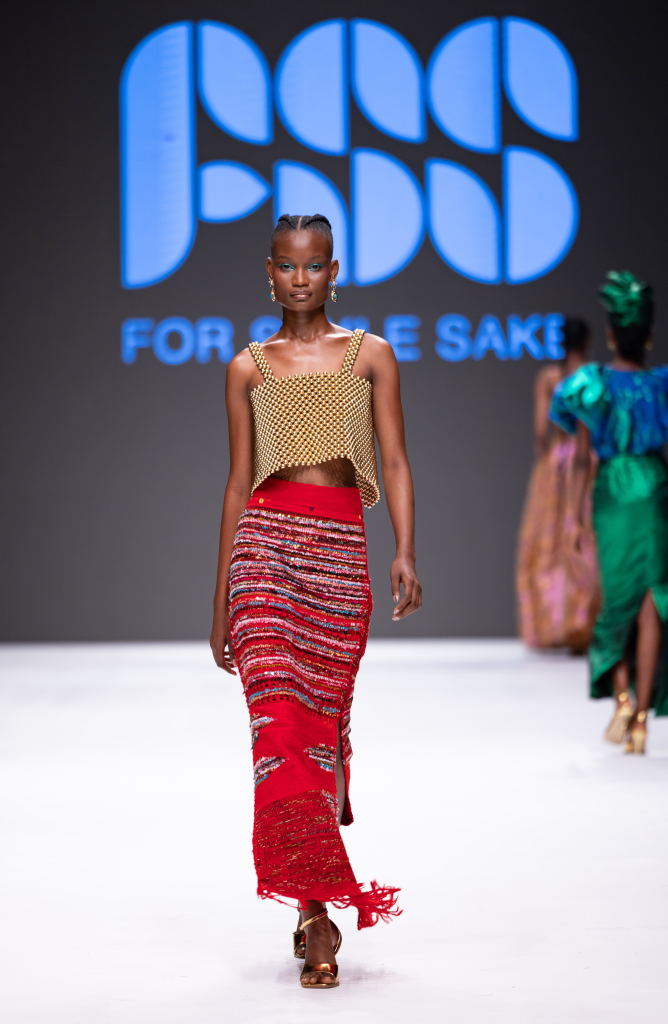
For Style Sake‘s Áríyá collection moved between textured tweeds, multicoloured polka dots, structured Aso Oke and organza pieces, and sheer dresses.
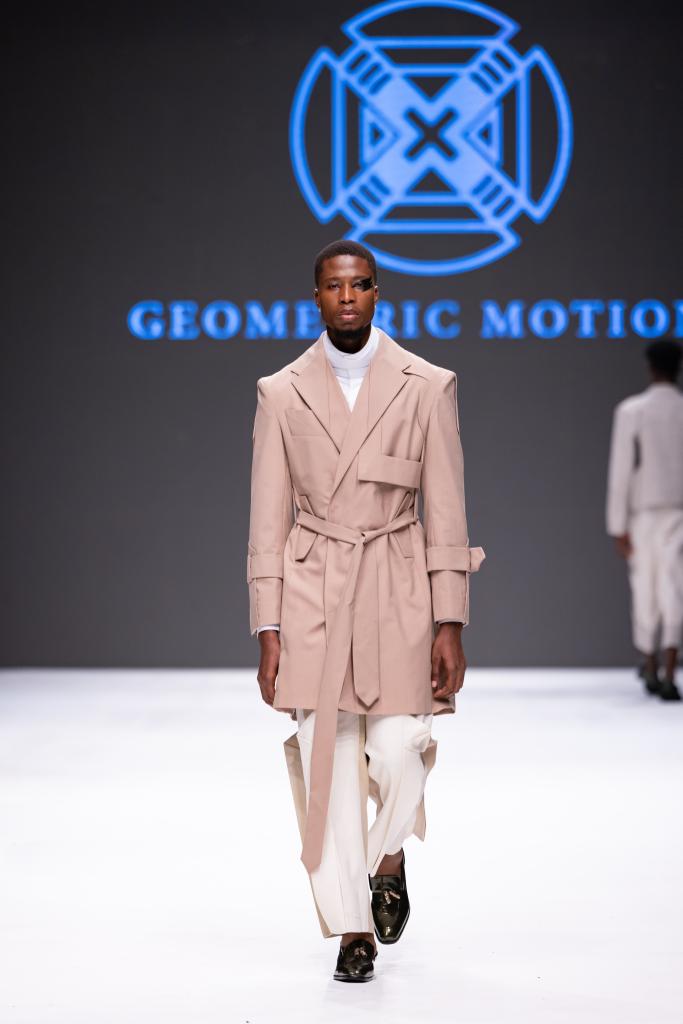
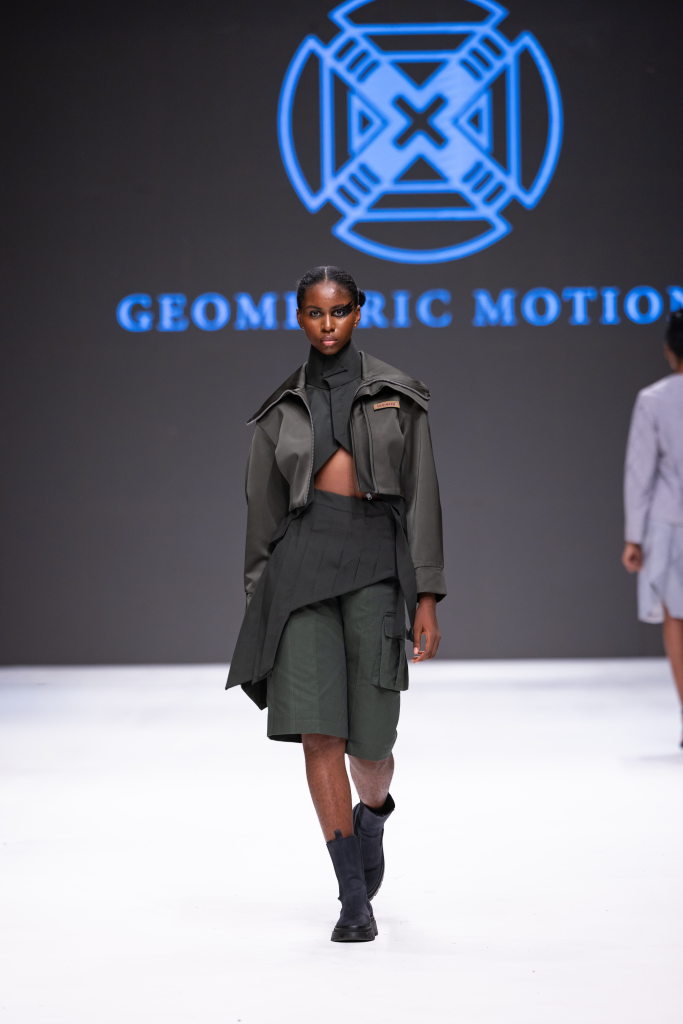
Geometric Motion Design Lab brought geometric cuts into conversation with streetwear and traditional suiting.
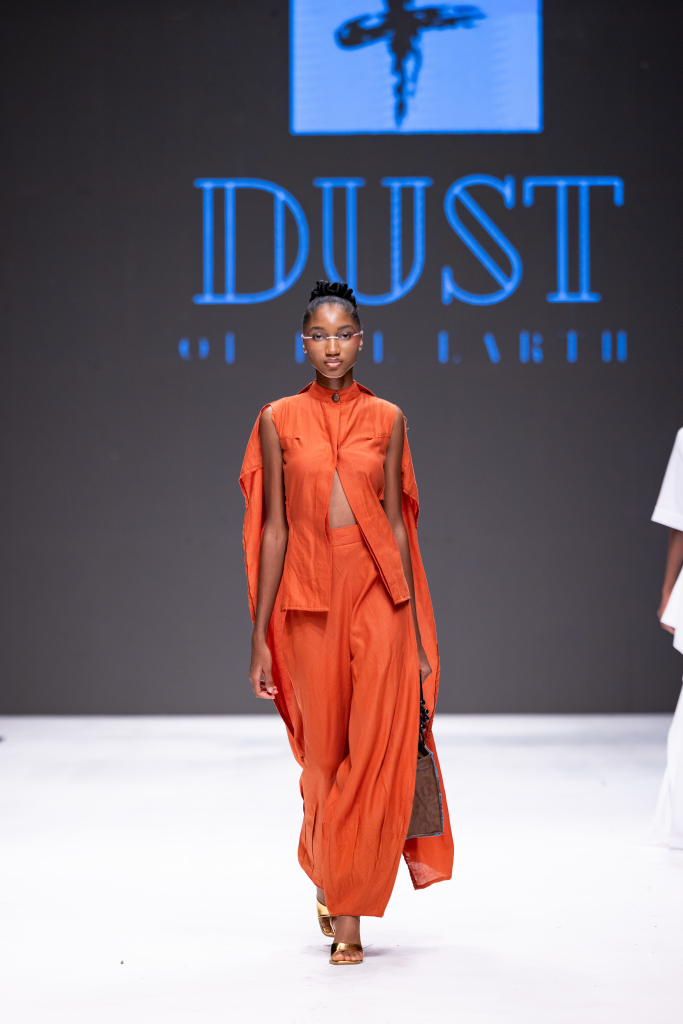
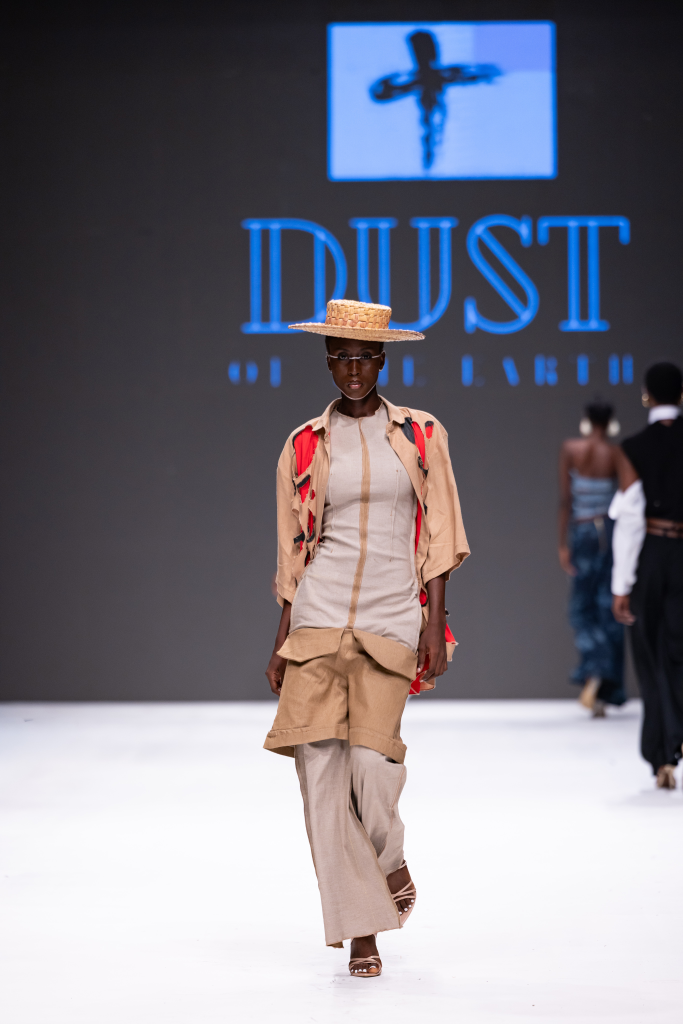
Dust of the Earth explored nostalgia and identity through graphic prints, textured fabrics and fabric manipulation.
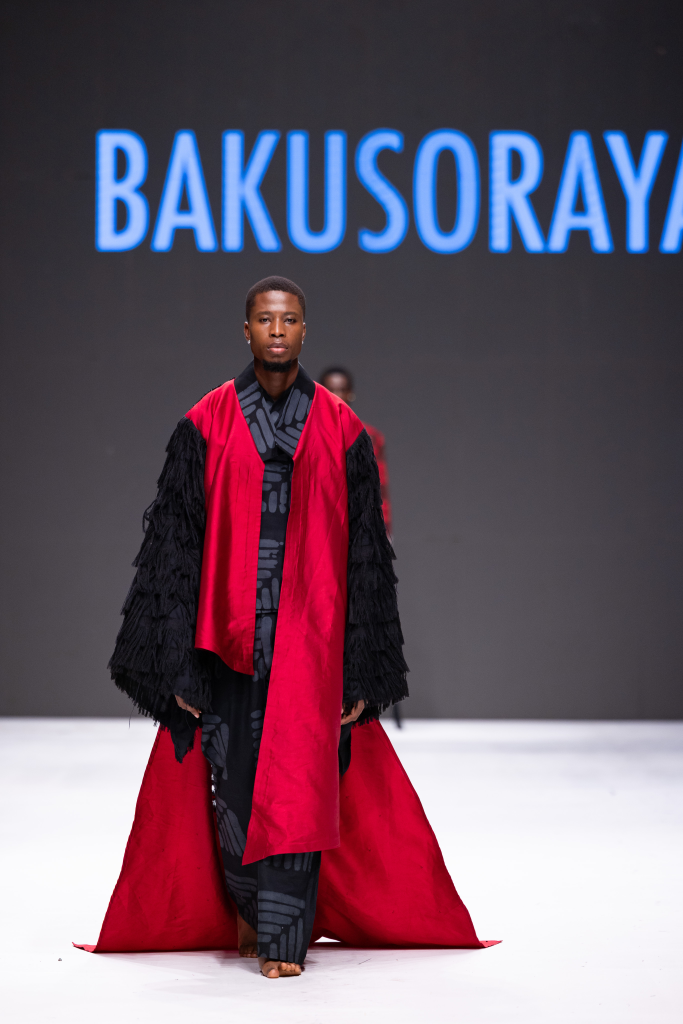
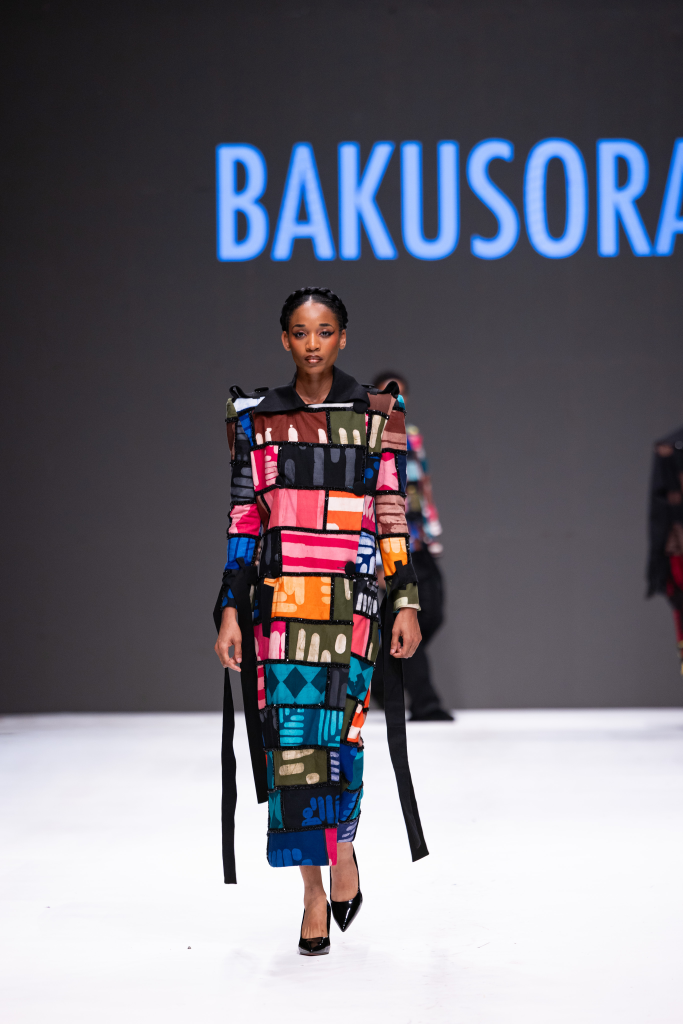
Bakusoraya, a Benin Republic-based label, placed indigenous textiles at the centre of its collection, using embroidery and fringing against a restrained, neutral palette.
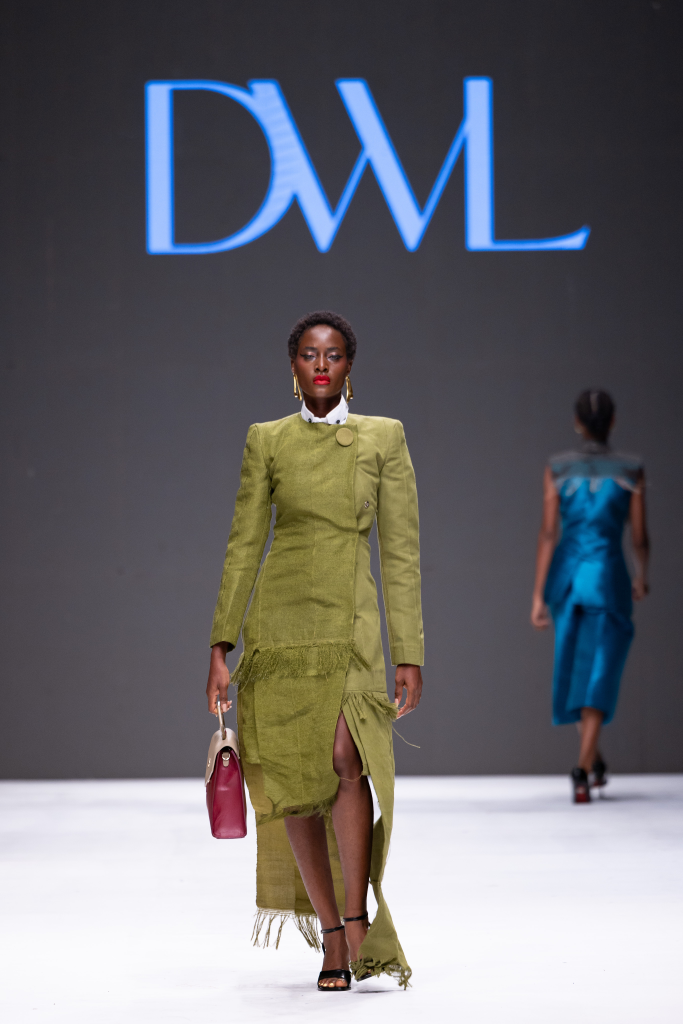
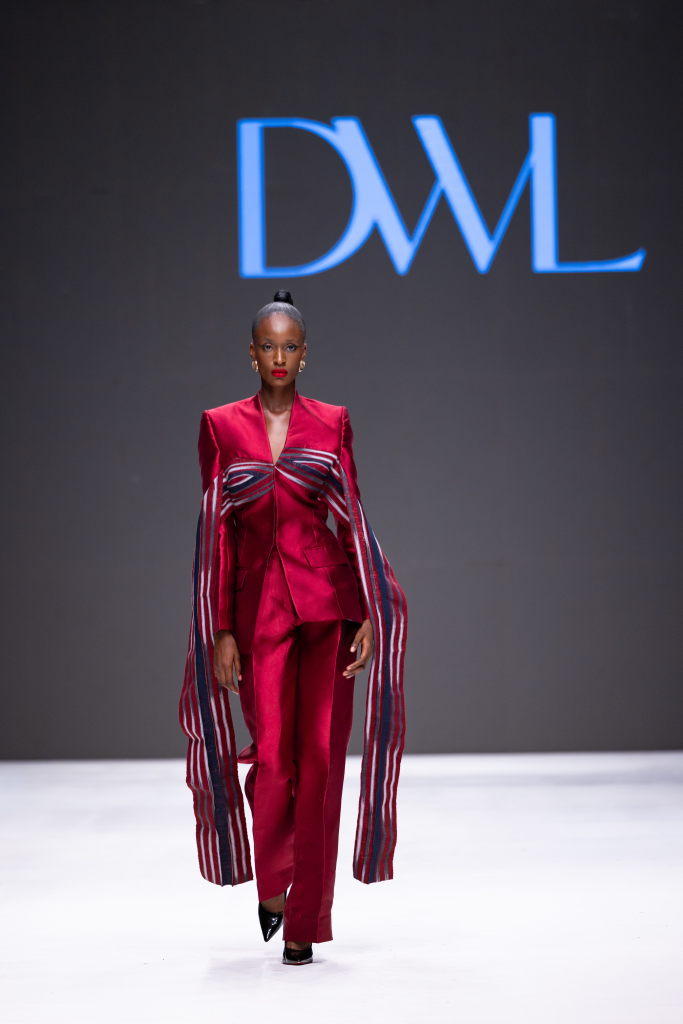
DWL delivered a refined collection featuring structured tailoring, rich colours and contemporary silhouettes, with playful fringe details and statement draping adding character to each look.
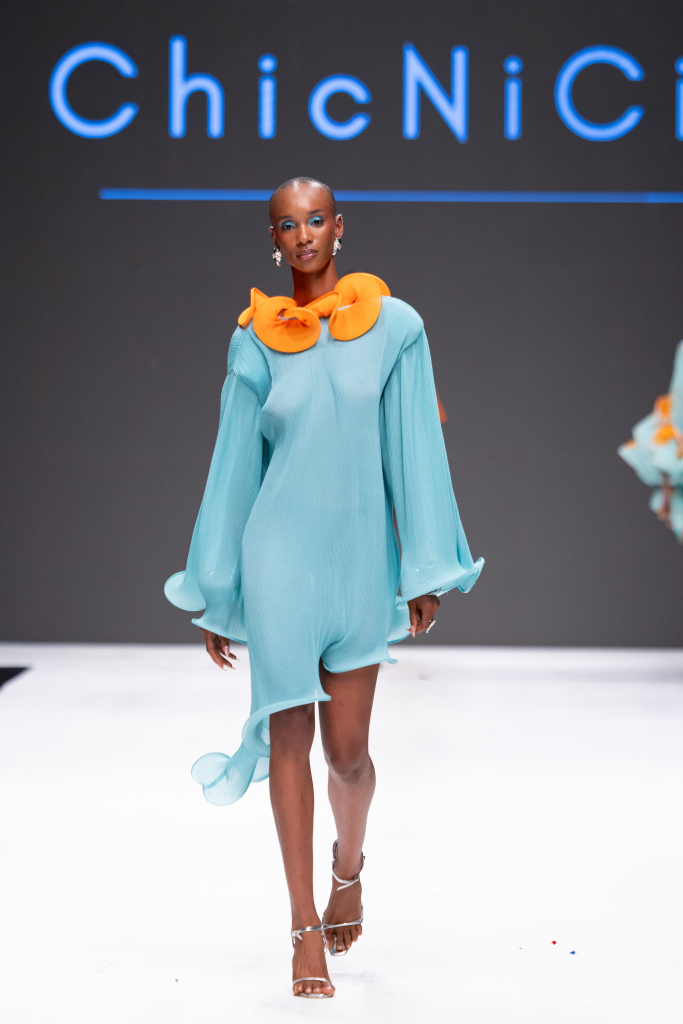
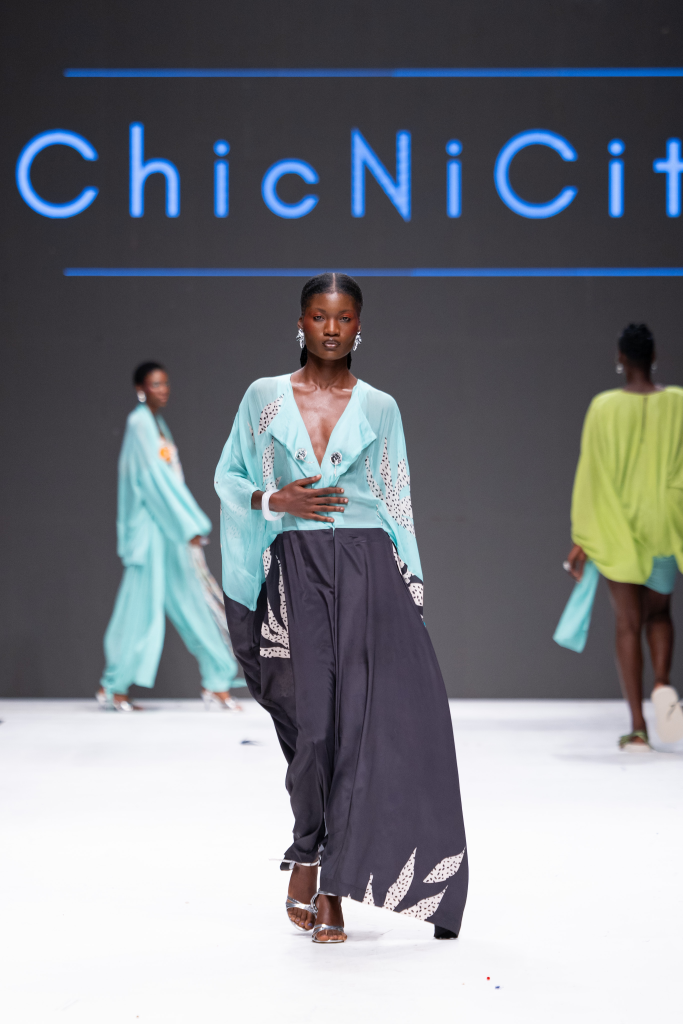
ChicNiCity brought a fresh, playful energy to the runway with fluid silhouettes, vibrant colour combinations and sculptural details that gave its pieces a distinctive, modern appeal.
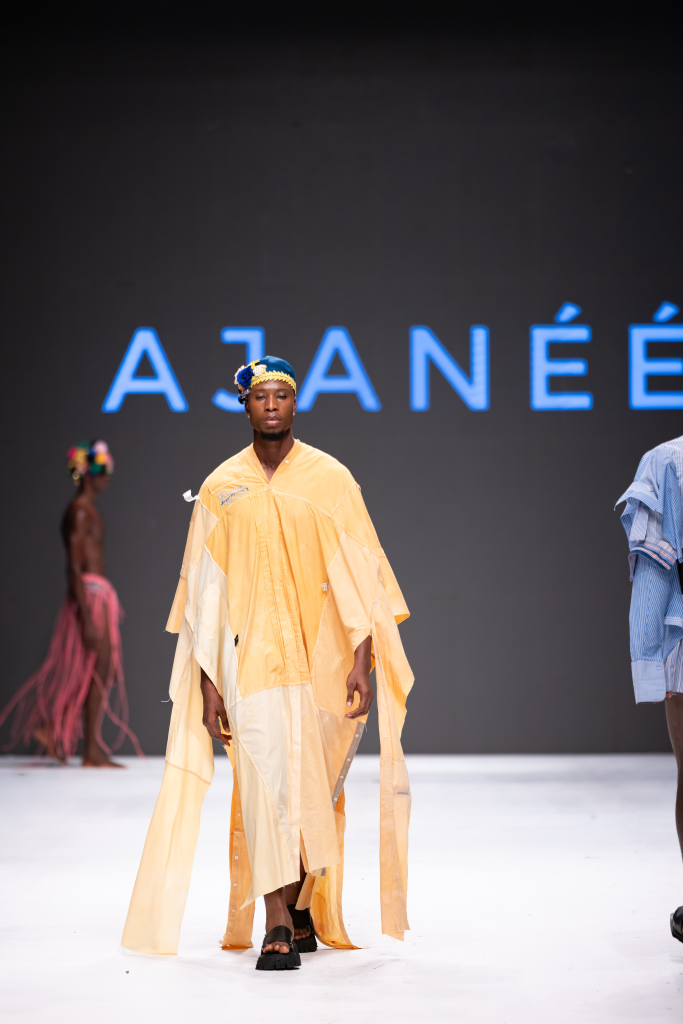
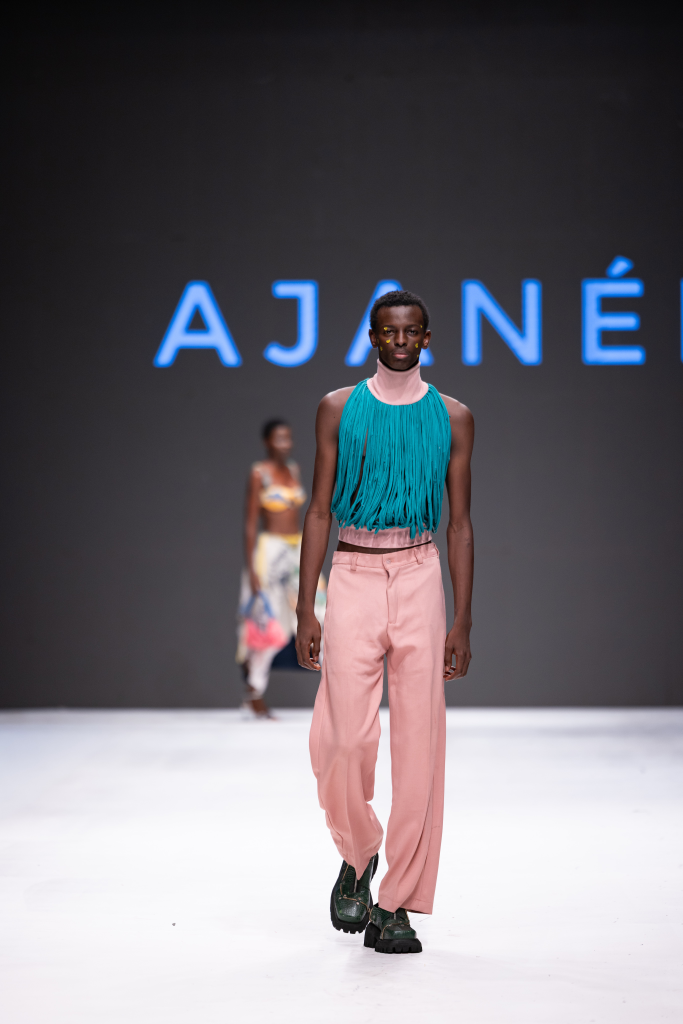
Ajanéé‘s SS27 collection, Masquerading (Cloth as Spirit), approached circularity through the deconstruction and reconstruction of existing garments. Old jerseys were transformed into dresses and paired with sheer fabrics, placing material reuse at the centre of the collection.
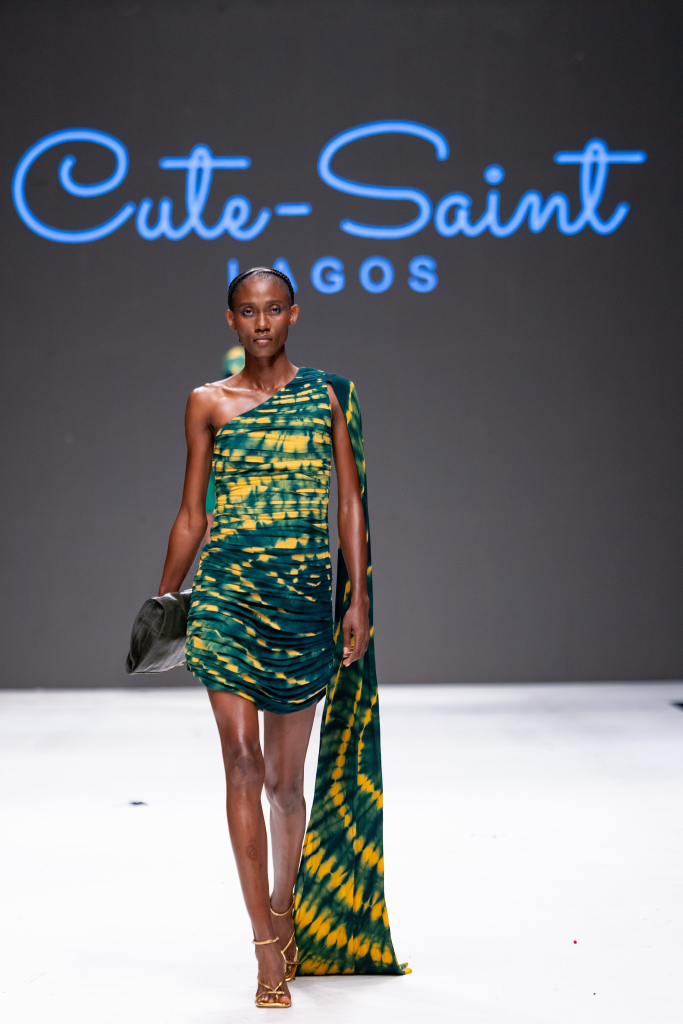
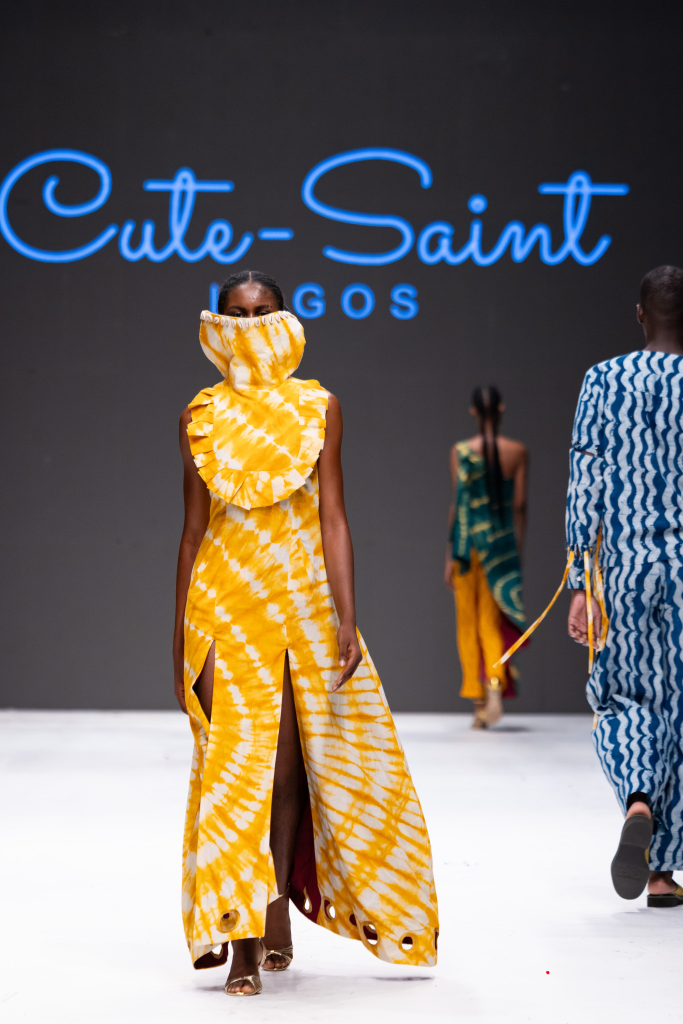
Cute-Saint also returned to traditional references, bringing adire to the forefront through cowrie embellishments and a closing masquerade performance.
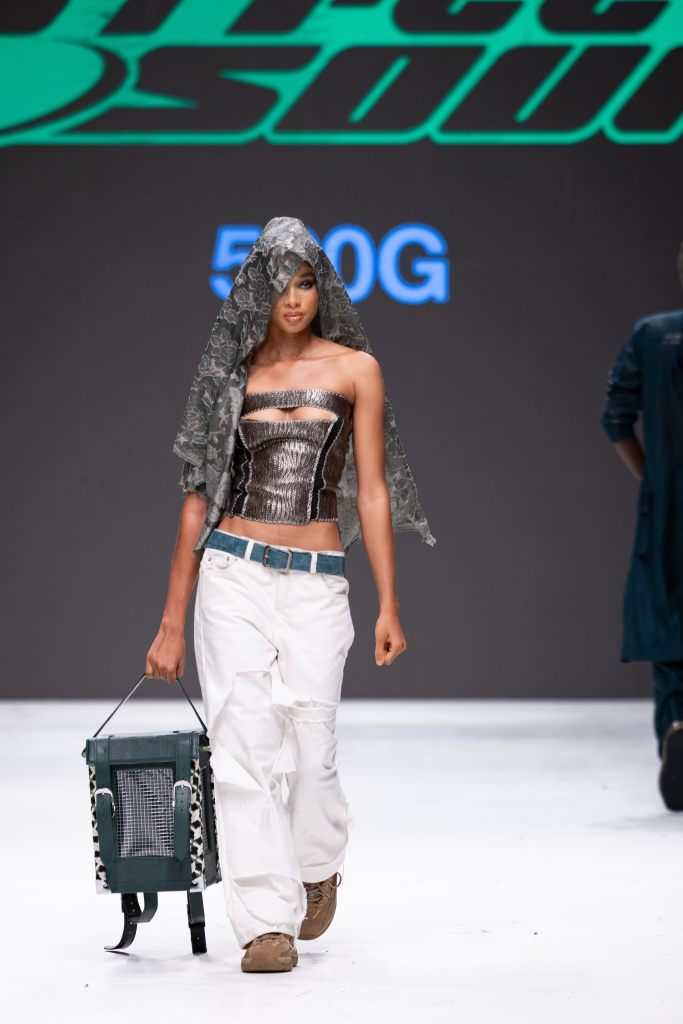
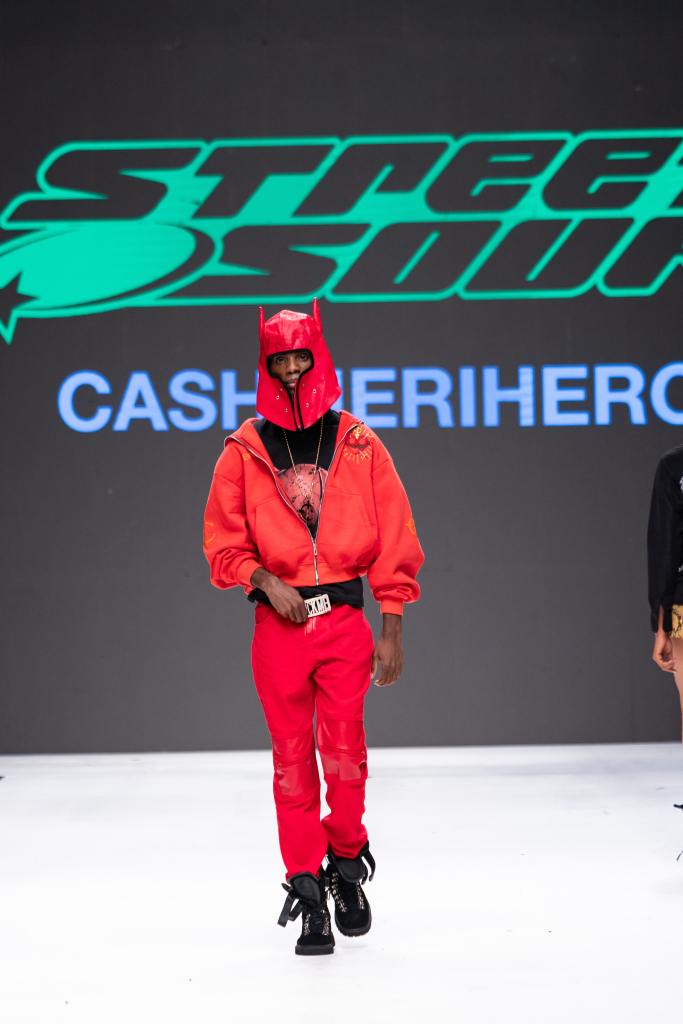
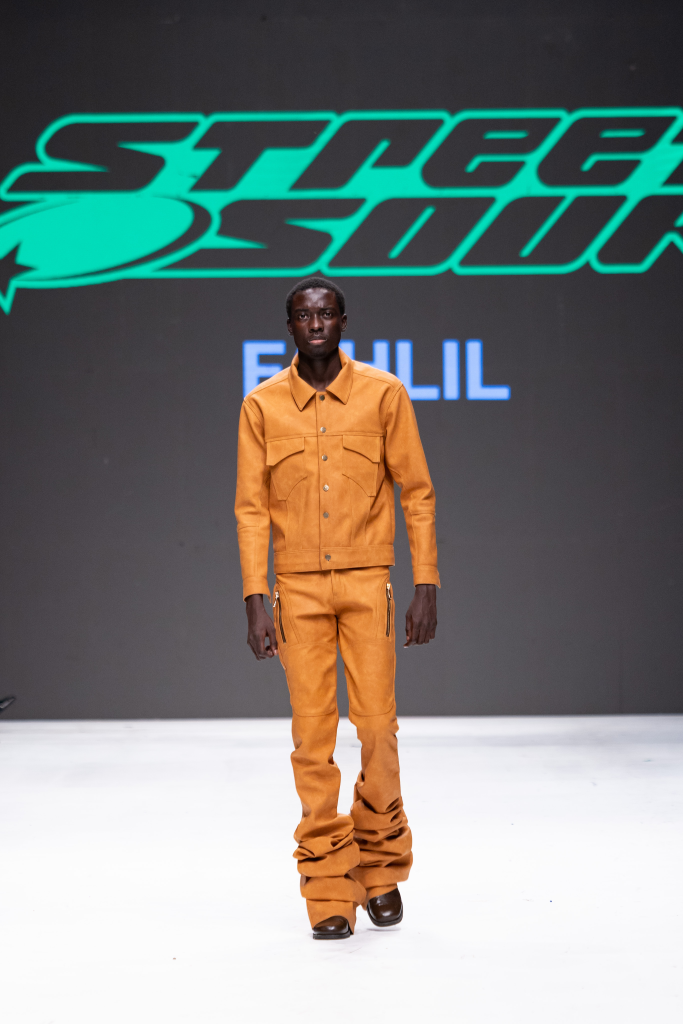
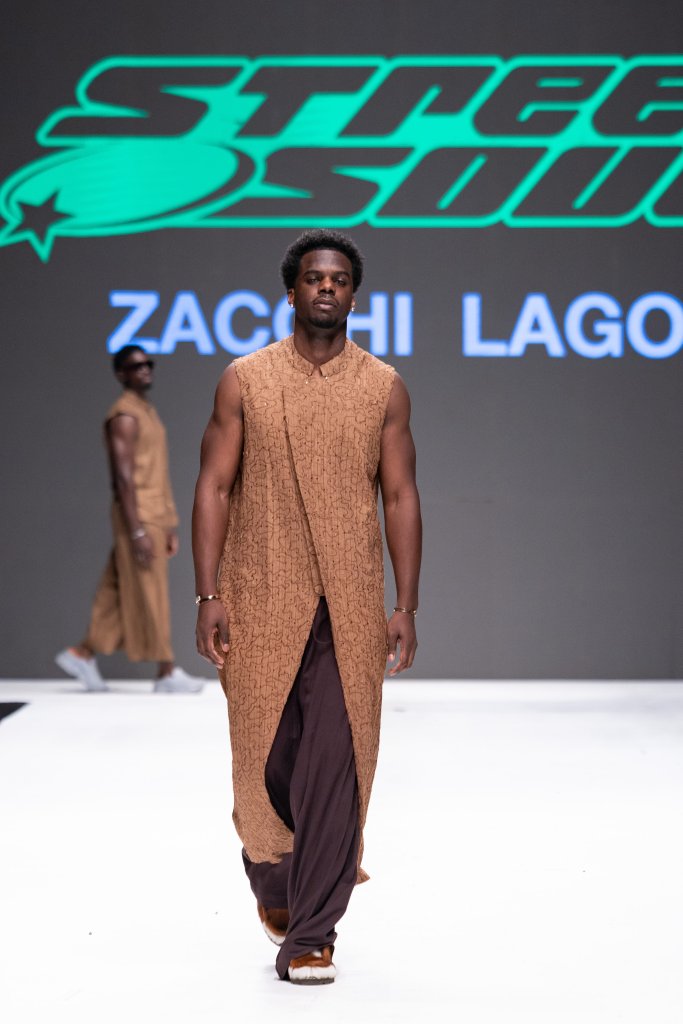
Street Souk presented work from four designers, bringing together bomber jackets, metallic finishes, experimental headwear, detachable hoodies and leather interpretations of the traditional agbada. The presentation offered a streetwear-led reading of familiar forms.
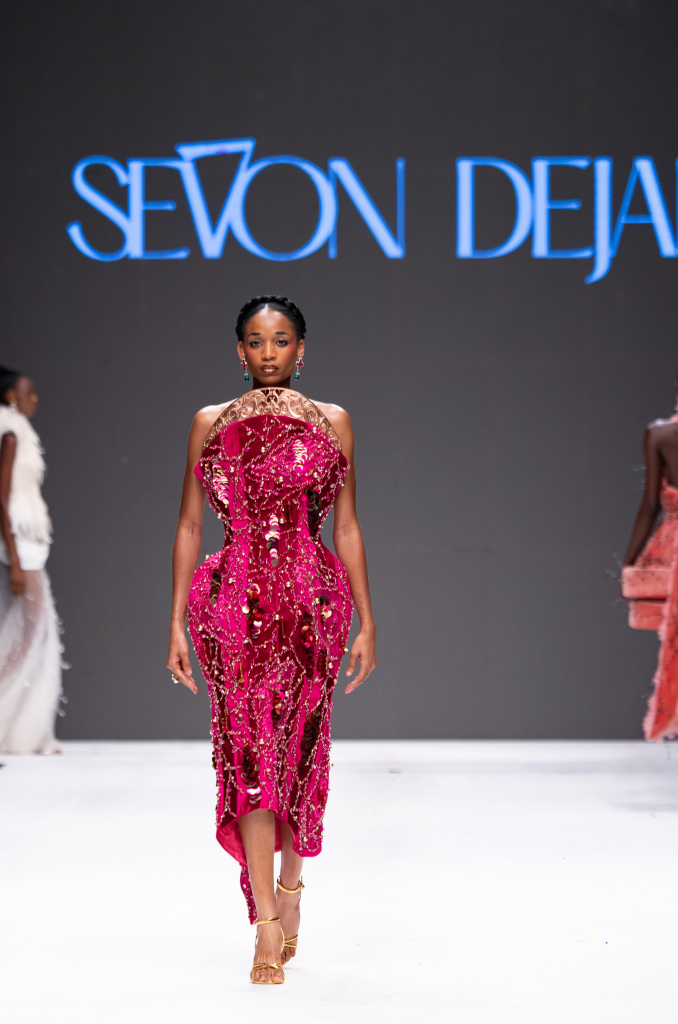
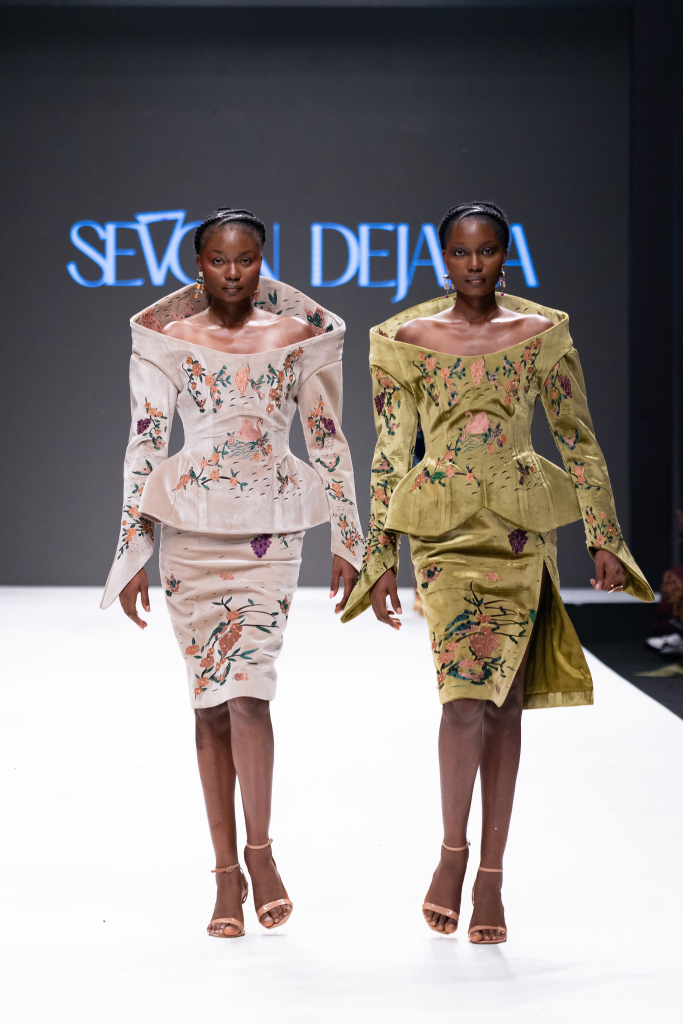
Sevon Dejana brought couture craftsmanship to the runway. The collection showcased a beautiful blend of intricate floral embroidery, bold embellishments and structured silhouettes, with each look making its own statement.
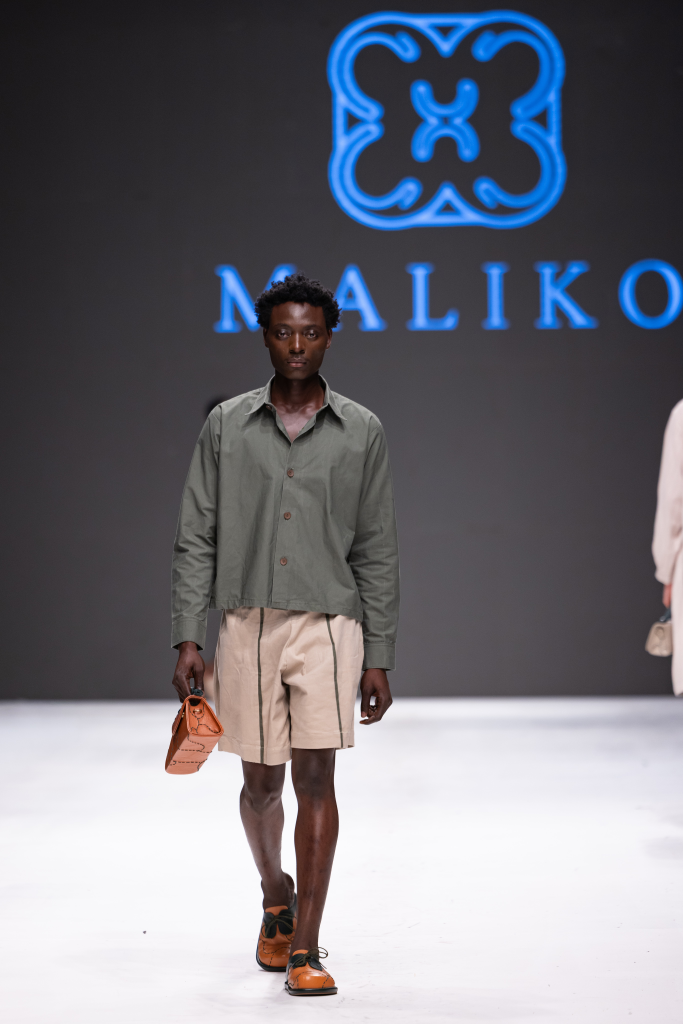
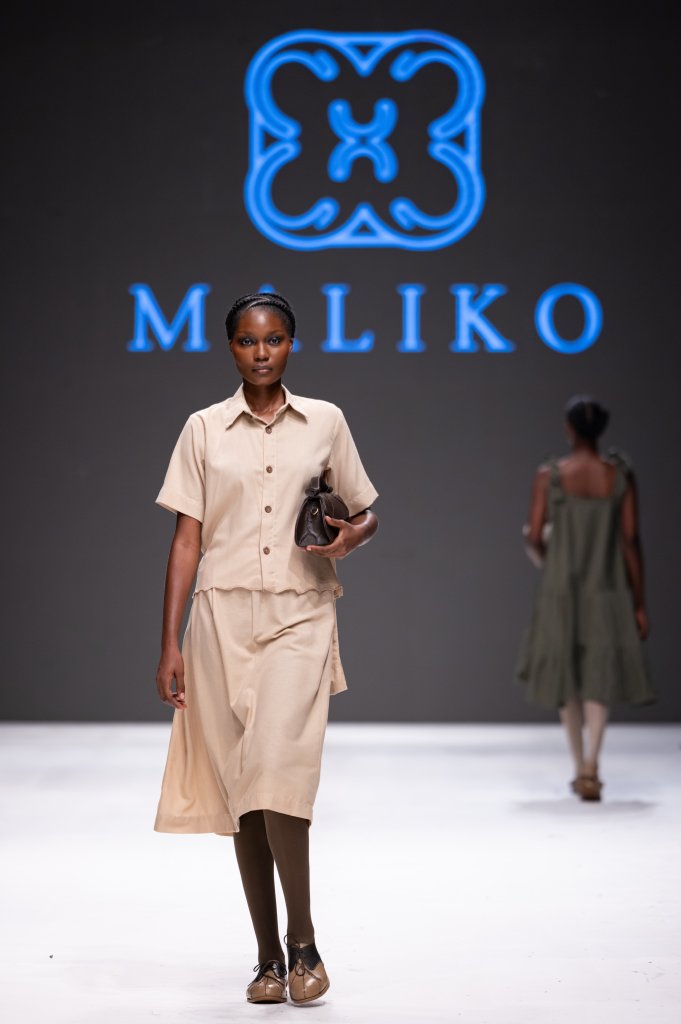
Maliko presented a relaxed, minimalist collection defined by understated tones, loose-fitting silhouettes and effortless everyday pieces, blending comfort with contemporary style.
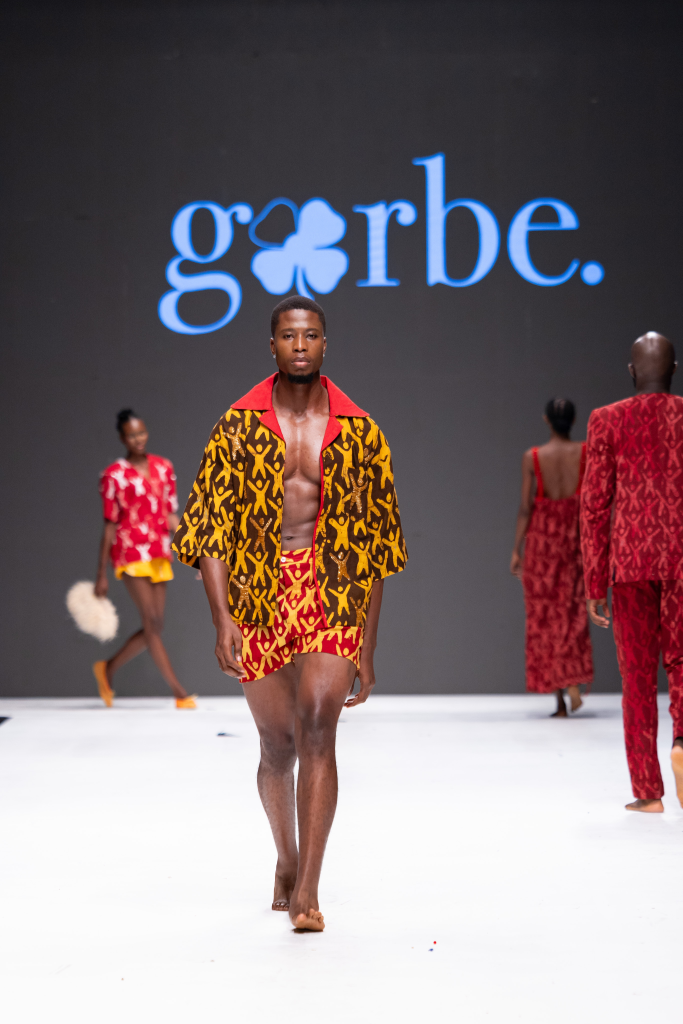
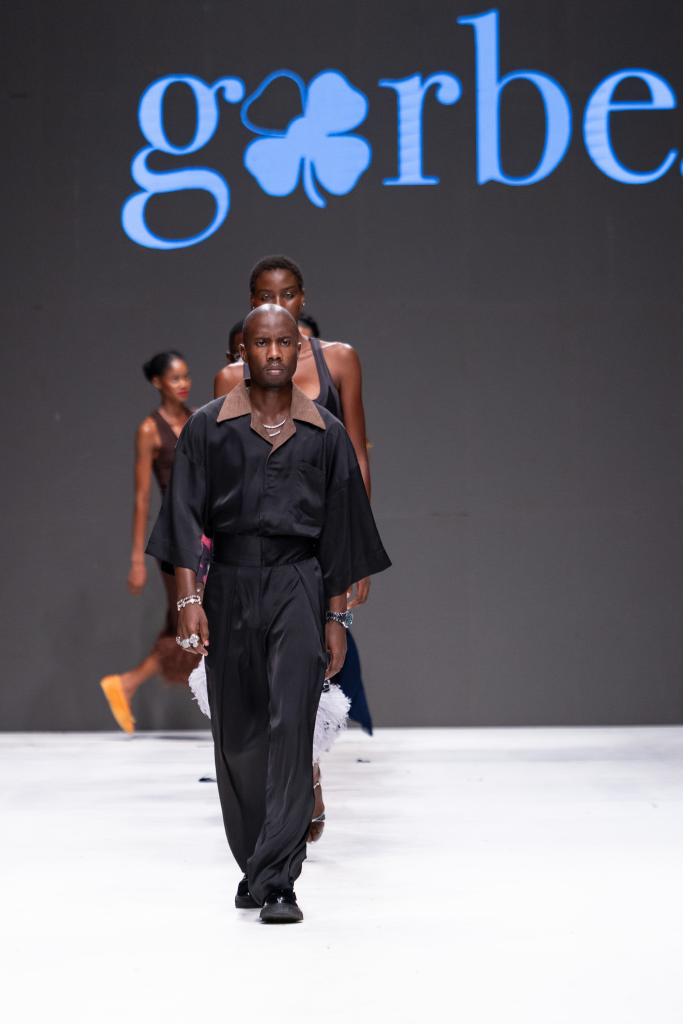
Garbe brought bold expression to the runway through vibrant prints, striking colour combinations and playful silhouettes, delivering a collection that celebrated individuality and confident style.
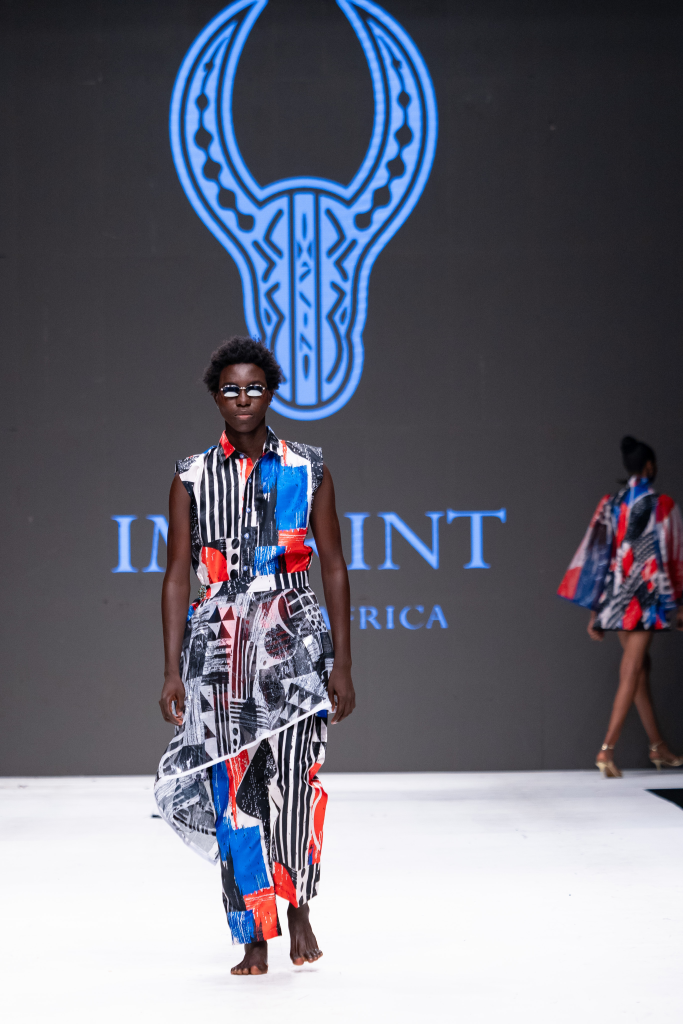
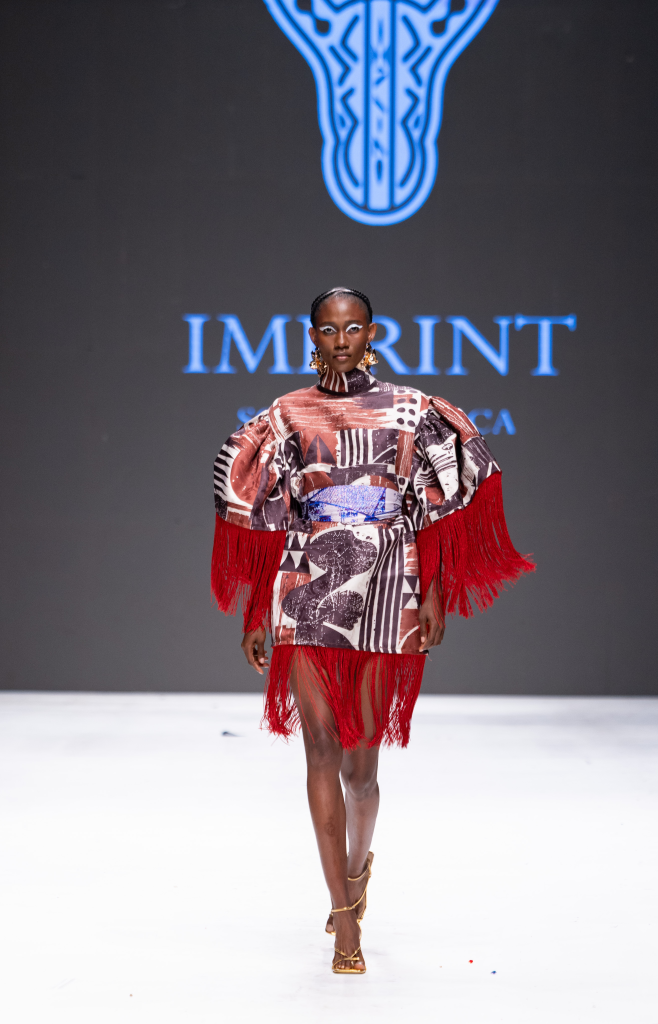
Imprint South Africa worked with graphic textiles and voluminous forms to explore the relationship between material and silhouette.
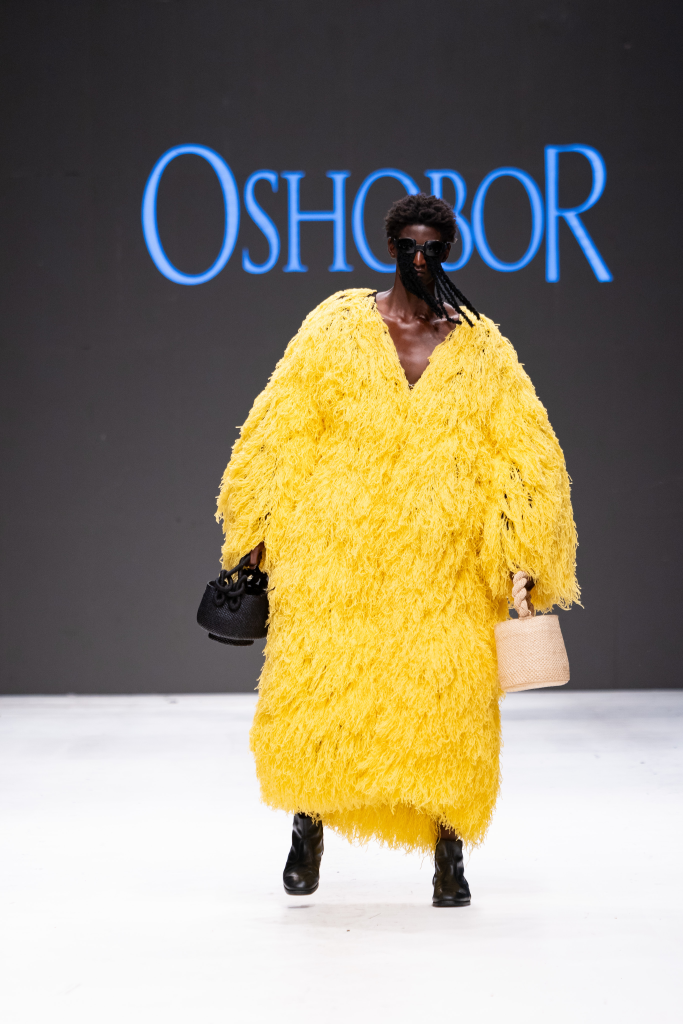
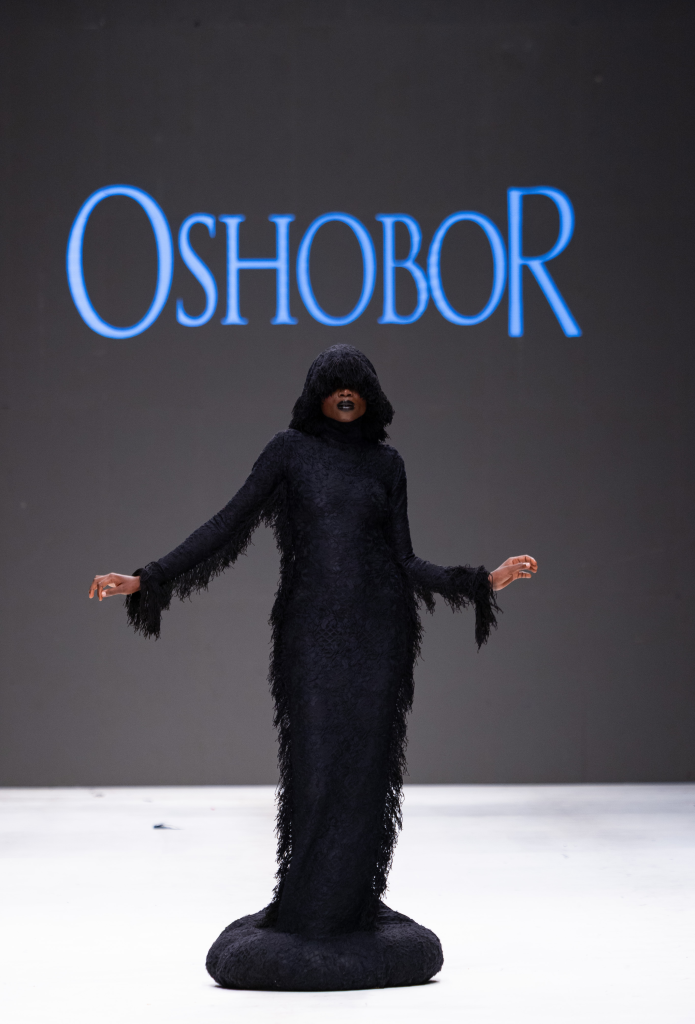
Oshobor introduced a theatrical approach through familiar silhouettes, textured surfaces and a vivid palette of yellow, red and purple, while exploring the relationship between material and silhouette.
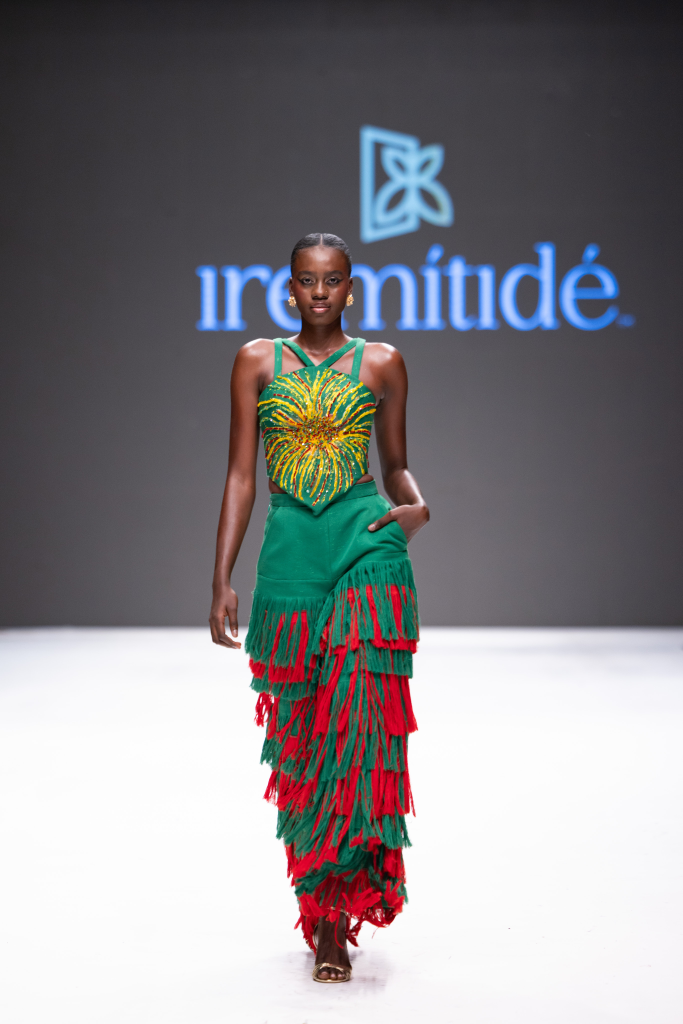
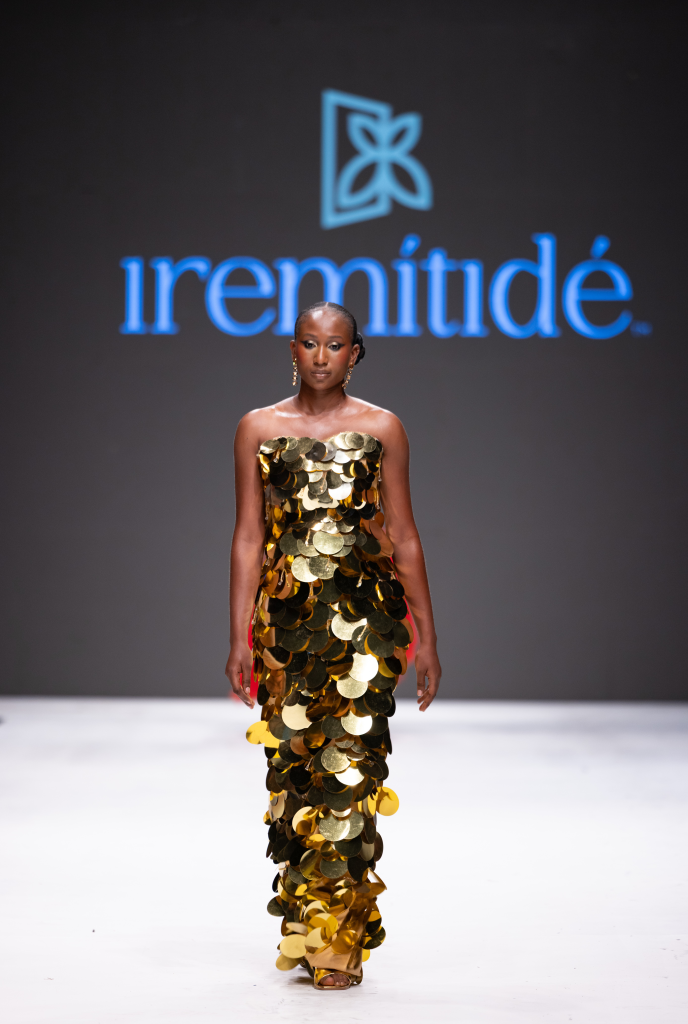
Iremitide presented occasionwear in shimmering gold and shades of bright colours.
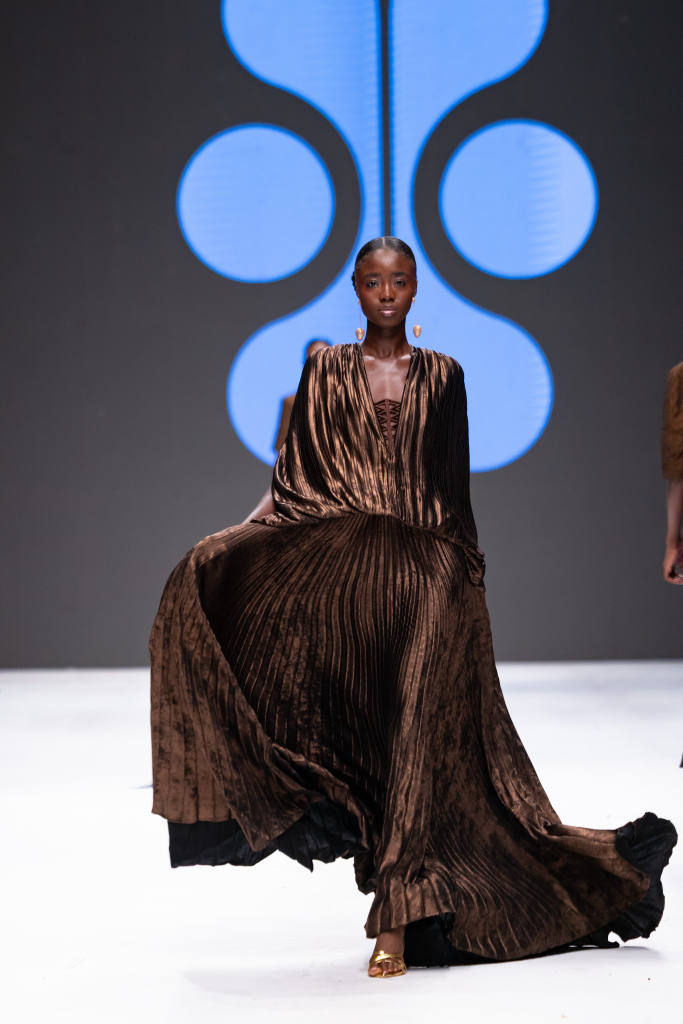
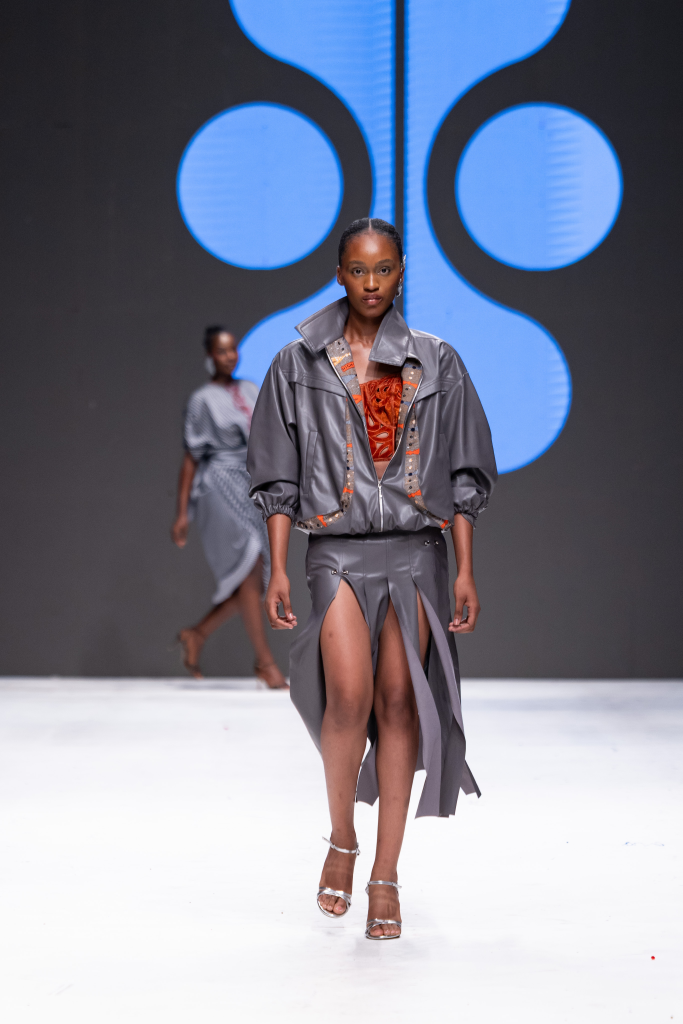
Christie Brown combined neutral tones, chiffon prints and metallic finishes with sharp tailoring.
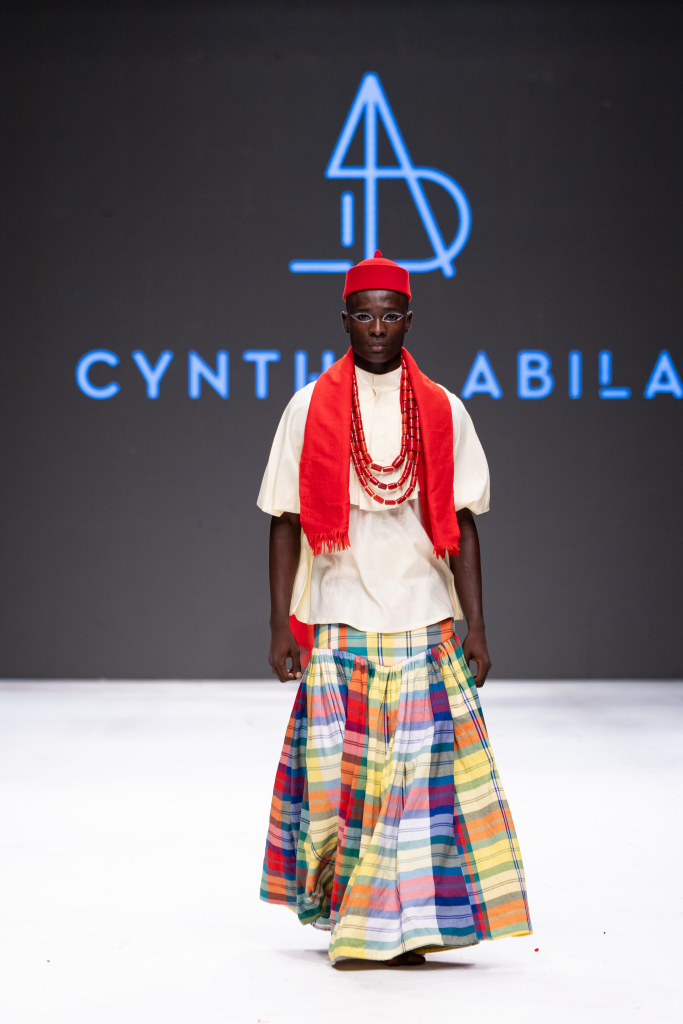
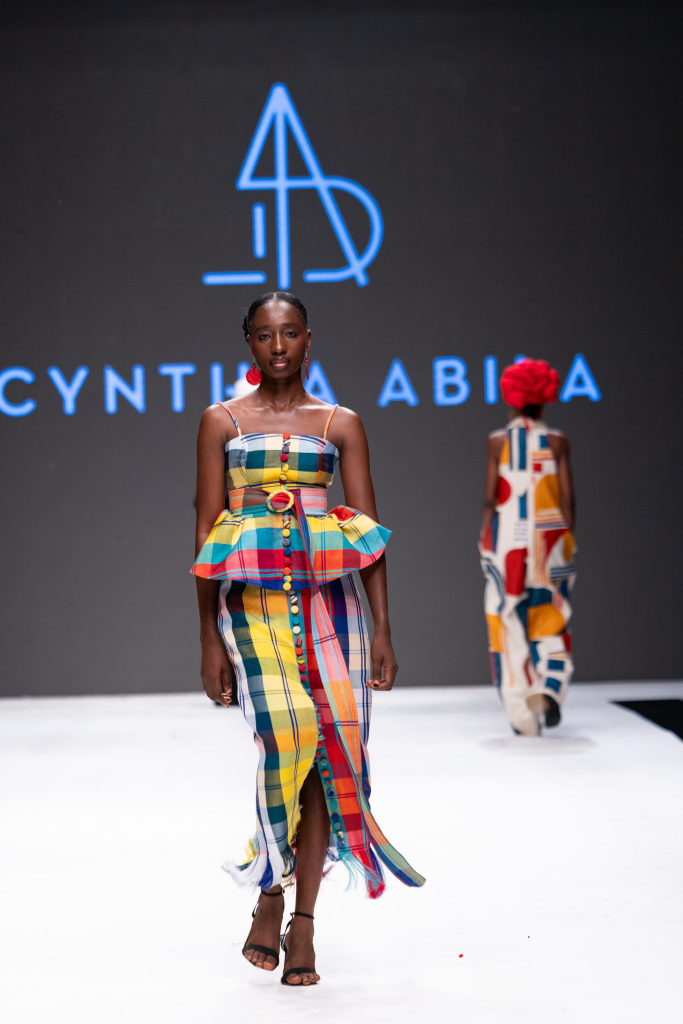
The day closed with presentations by Cynthia Abila and Nkwo. Abila’s The Common Ground was dedicated to her father, bringing a personal point of reference to the collection.
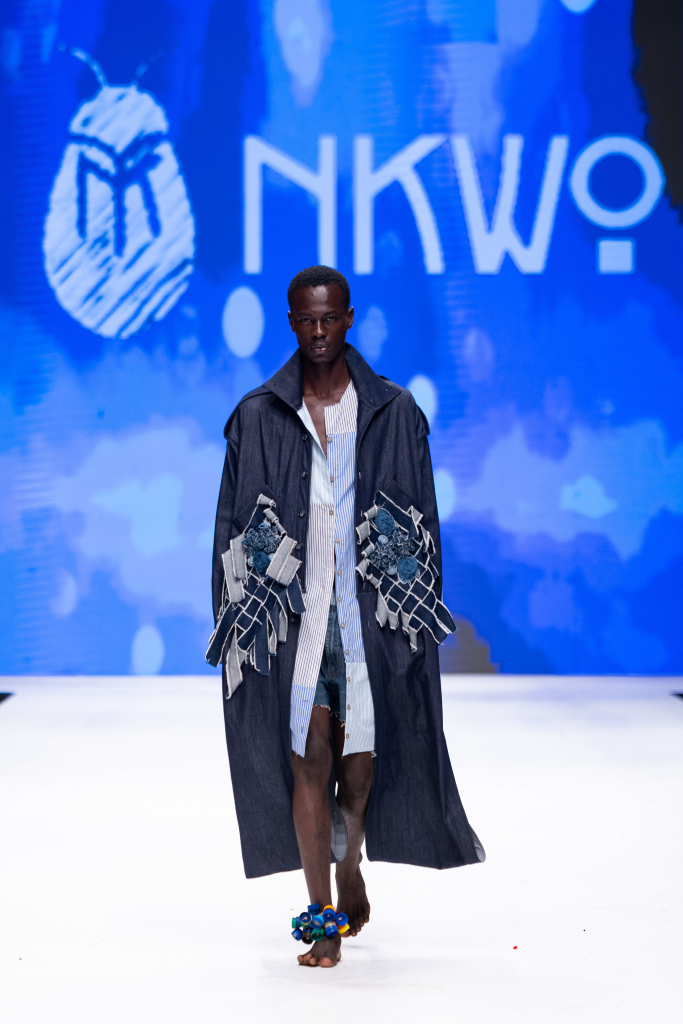
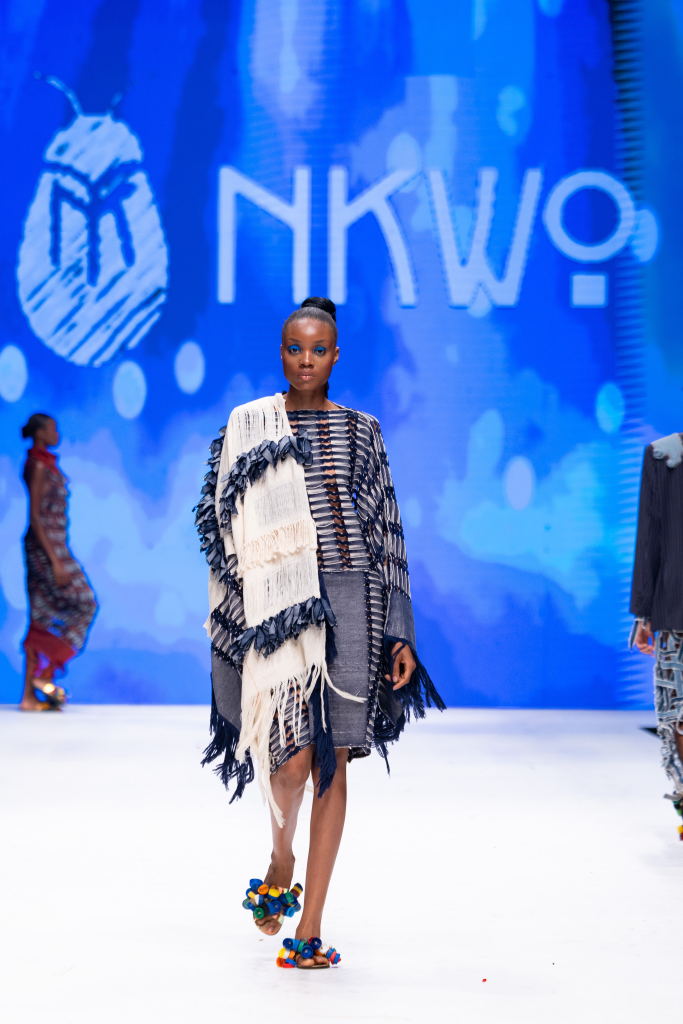
Nkwo continued to develop her approach to sustainable design through relaxed, sharply considered silhouettes.
The presentations offered a varied reading of the season’s central ideas. From the reconstruction of existing garments to the continued use of indigenous textiles and traditional forms, designers explored how heritage informs new design languages without limiting their possibilities.