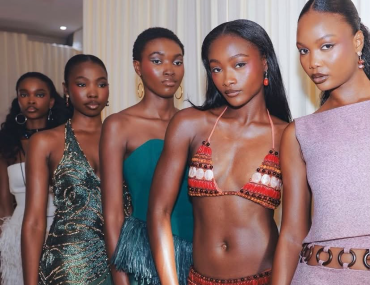
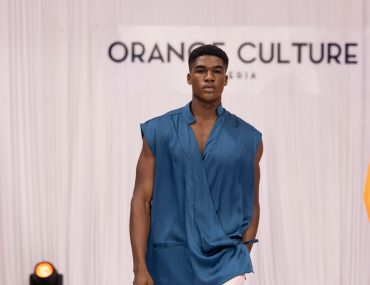
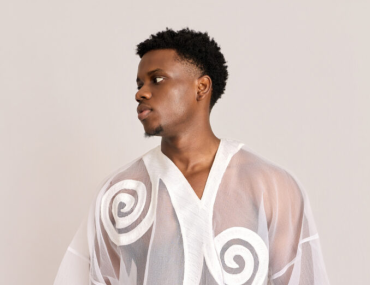
Day 3, Friday, November 30, picked up immensely from where the previous day left off at Lagos Fashion Week 2026.
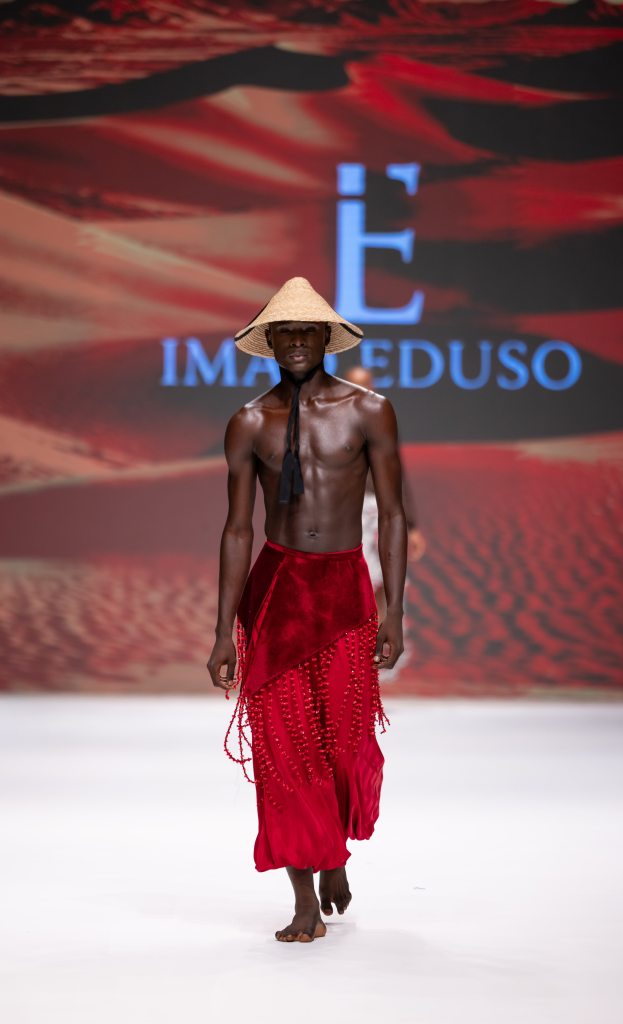
Imad Eduso‘s collection, Into The Wild, debuted its first-ever menswear showing raffia hats, high-waist and bubble pants with fringes; the womenswear moved across signature silhouettes, with shimmery cheetah prints and lace dresses.

This season, Pepperow continued its exploration of hand-printed fabrics, with flower motifs, beaded embellishments and raffia detailing. The menswear felt relaxed, while the collection remained minimal yet cohesive, staying true to the brand’s sustainable ethos.

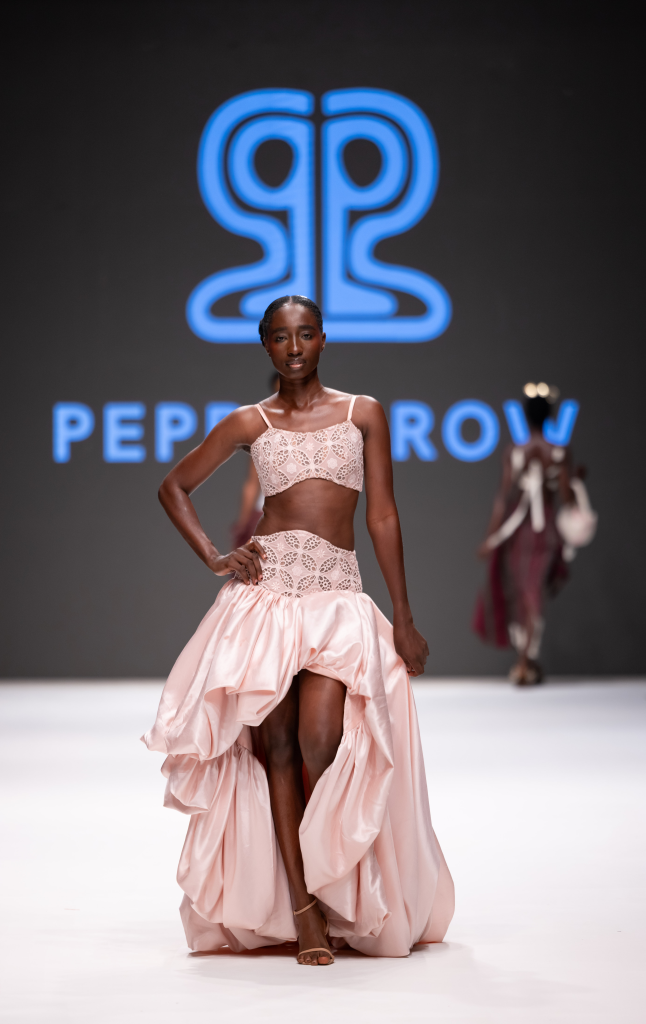
Making its first appearance, Dukun presented a collection inspired by the Itsekiri traditions of southern Nigeria. Deconstruction, fabric manipulation and impeccable layering were expressed through shades of orange, yellow, white and cobalt blue.


Bornstar Nigeria, through its eight presentations, showed ponchos in neutral tones; fringes were added to blazer coats not as decoration but for fluidity, while menswear explored a bright colour palette.
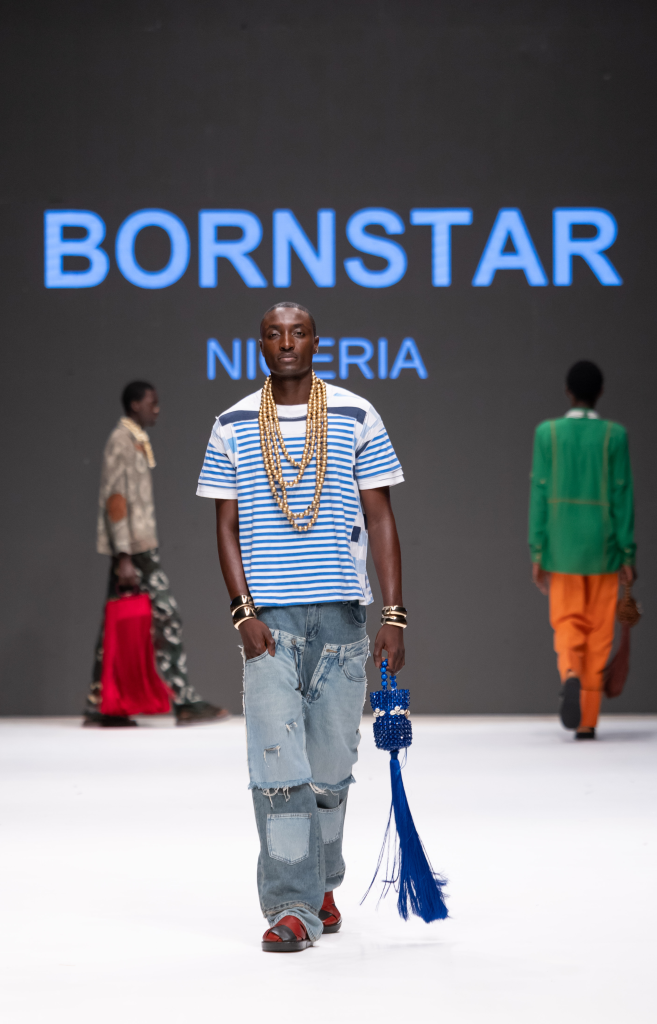

Ibilola Ogundipe elevates its occasional wear across a plethora of bright shades, including cobalt blue and butter yellow, alongside shimmery embellishment.
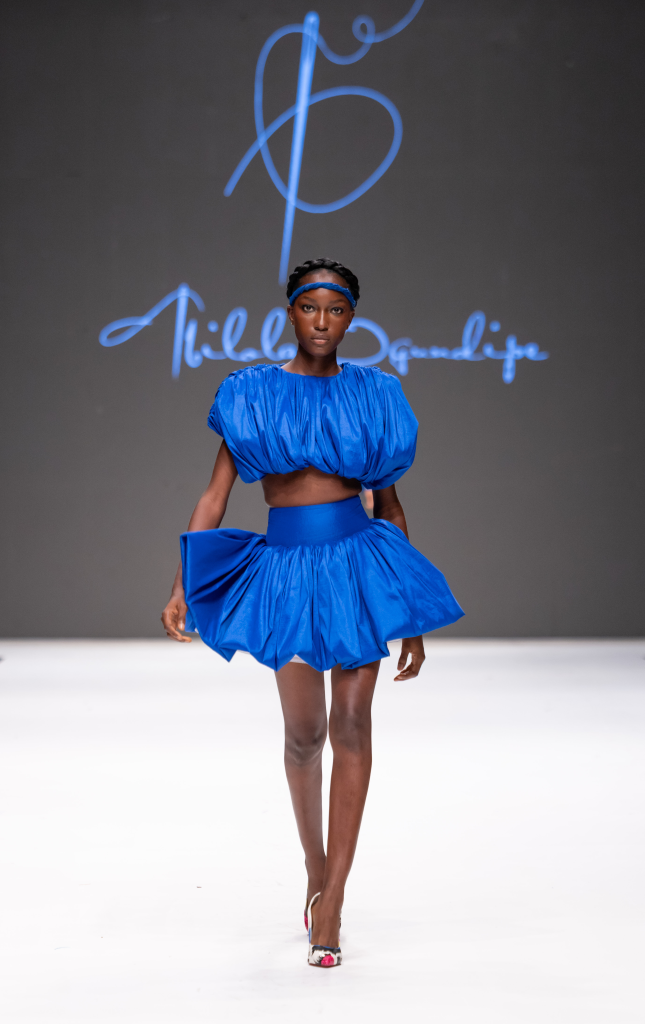

Uganda-based fashion brand IGC‘s fashion collection was rooted in deconstruction, indigenous textiles like barkcloth and cowrie embellishments, treating textiles as a ritual rather than motifs.


Sahrazad, the Moroccan brand, presented a collection that balanced contemporary tailoring with relaxed, fluid silhouettes, moving between bold colours, earthy tones and understated neutrals. Stripes, textured fabrics and playful proportions added depth to the collection, offering a modern interpretation of everyday dressing.
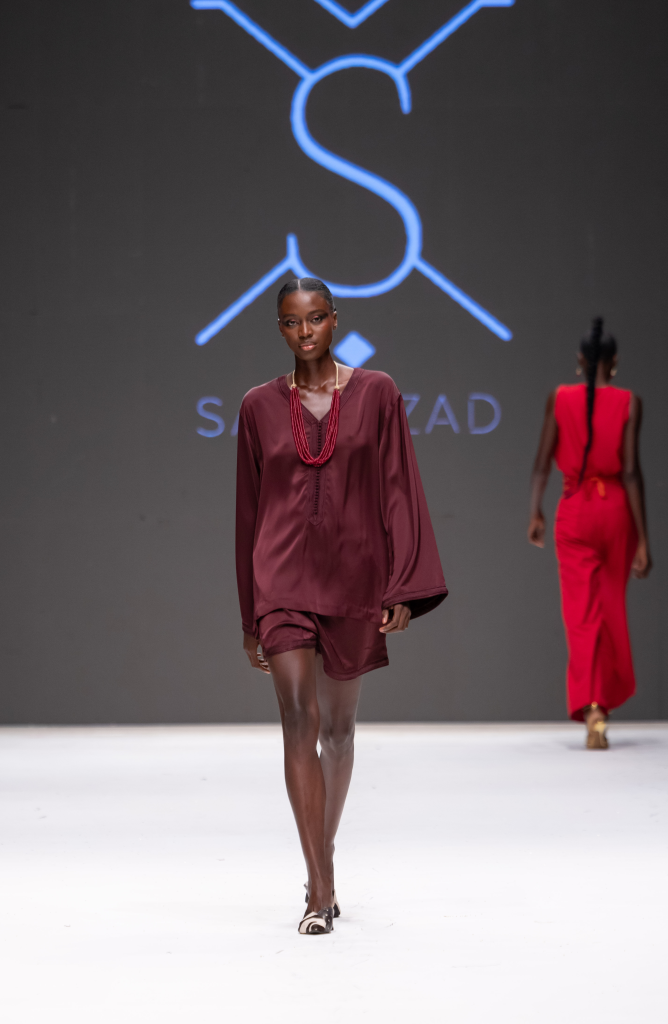

For this season’s collection, titled Clan, Studio Imo partnered with two crochet brands: 21 Wool Street, which brought an evolution of texture, and Crochet Nigeria, which contributed elaborate embellishments.
The result was a collection of textured knitwear pieces in hot pink, butter yellow and shades of purple. Some pieces featured asymmetrical silhouettes and fringe detailing for movement, while crochet yarn was used as tassels on dresses.


Angolan brand Fiu Negru showed sheer organza fabric, beaded coral tops and embellishments, voluminous hemlines, and neutral palettes with a touch of fiery red.

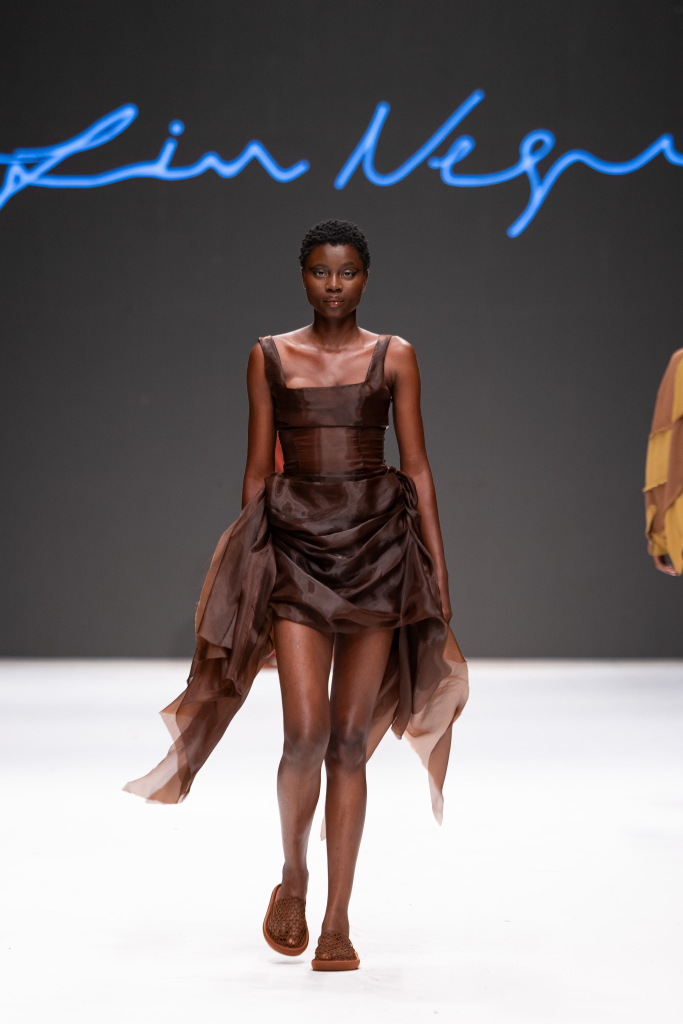
Day 3 also featured collections from M.O.T the Label, Abiola Olusola with soft, modern feminine silhouettes, and the Irapada circular design initiative with pieces from designers like Hertunba, Iamisigo, Ajanéé, and Eki Kere.


Bloke presented a futuristic and theatrical collection titled Pelumi Oyewo.


Additional presentations from Desiree Iyama treat the waist and hemline as a focal point this season, adding eye-catching voluminous details like small and huge curly rings.


JZO turned to irregular cutouts and drapey-like silhouettes, all communicated in neutral colours like macaron, grey, indigo blue, white and black.

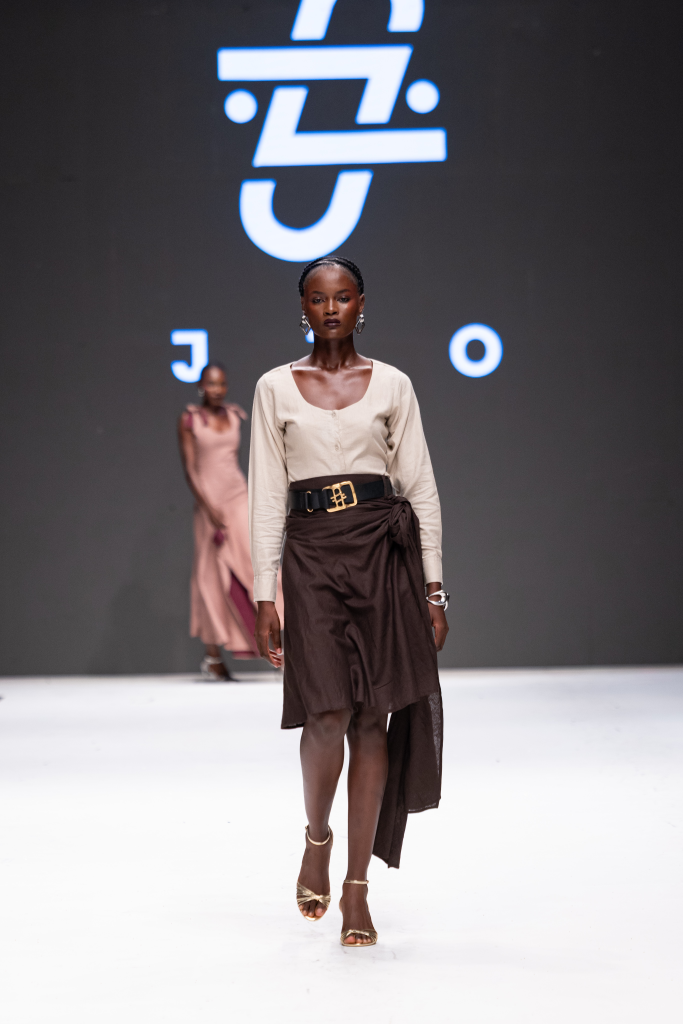
Across the runway, the day’s presentations reflected the season’s central themes. From the reconstruction of existing garments to the continued use of indigenous textiles and traditional forms, designers explored how heritage can inform new design languages without limiting their possibilities.