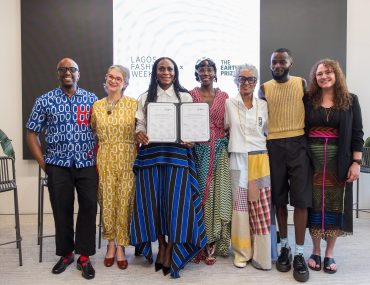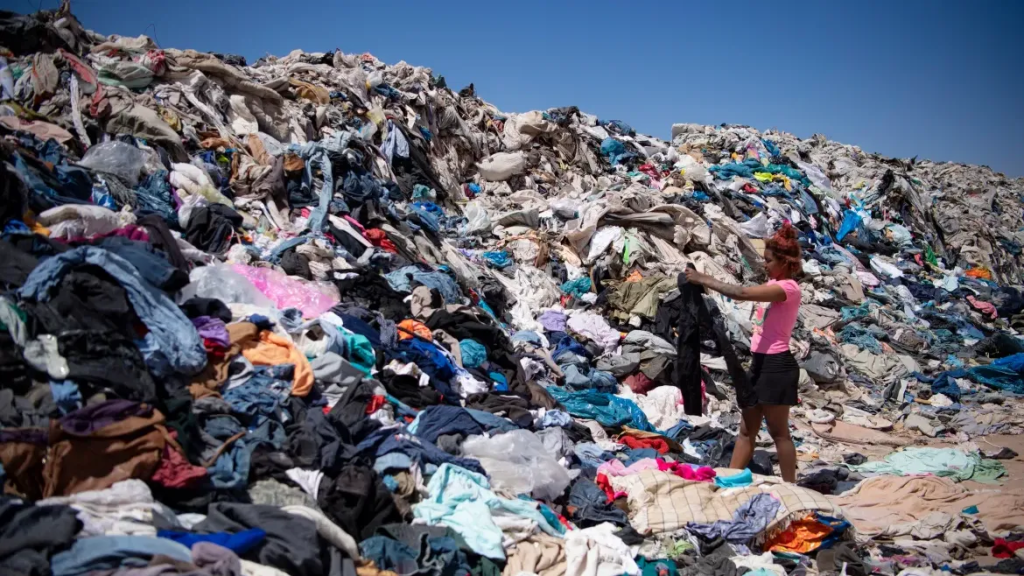
Style House Files has announced Project Irapada, a first-of-its-kind textile waste mapping initiative designed to reshape how Lagos understands, measures, and responds to its growing fashion waste crisis, with support from BestSeller Foundation and Lagos State Waste Management Authority (LAWMA). This marks a significant evolution in the platform’s sustainability vision, positioning Lagos as a continental leader in data-driven circular economy development.
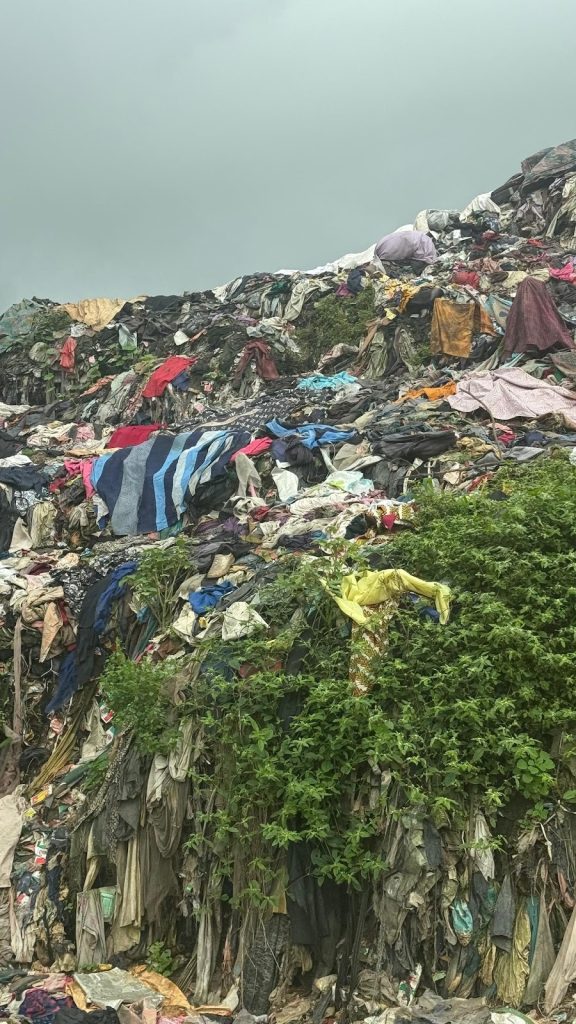
Project Irapada closes a longstanding evidence gap in Lagos’ fashion ecosystem by providing policymakers, designers, innovators, and community stakeholders with the first reliable baseline for textile waste generation and flow. Through a combination of market and factory audits, household surveys, and primary observation at disposal points, the research identifies key pressure points in the way textiles are produced, consumed, and discarded.
For years, conversations around fashion waste in Lagos have been generalised with overall waste streams. By making the issue measurable, Project Irapada reframes the challenge from an abstract concern to an actionable insight. There now exists a foundation to develop policy frameworks, design localised circular interventions, and support enterprises building recycling, reuse, and repair solutions.
Style House Files developed Project Irapada as an extension of its long-term sustainability agenda. The initiative builds on earlier work, including Green Access and Woven Threads, expanding the conversation about responsibility from individual practice to systems-level understanding. With the new data, designers and brands can make informed decisions about production and sourcing, while innovators gain clarity about material flows that can support new business models in repair, upcycling, and material recovery. It also draws attention to consumption patterns and the role of consumers in diverting textile waste from landfills.
“We cannot address a problem that’s not been quantified,” said Omoyemi Akerele, Founder, Style House Files / Lagos Fashion Week.
Project Irapada gives us a clear picture of where textile waste originates, how it flows through the city, and where it ultimately ends up. This insight is critical for moving from reactive waste management to intentional, circular design solutions that can scale.
Omoyemi Akerele, Founder, Style House Files
The insights produced by the research will contribute to Lagos Fashion Week’s 2026 programming and broader circular economy efforts. They will be shared publicly to support cross-sector engagement among government agencies, private-sector leaders, and civil society organisations.
Project Irapada is available in full here, providing an open resource for further research, policy development, and industry adaptation