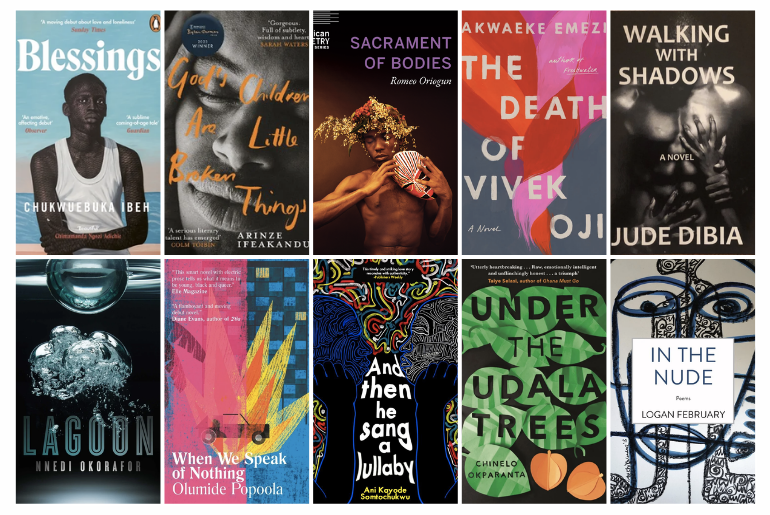
One thing literature has always been able to reflect is the social and political climate of several places worldwide. This remarkable power literature possesses makes it an excellent tool for expressing the experiences of several marginalized communities. Many African nations, such as Nigeria, continue to criminalize LGBTQI+ people, showing a stunted movement in the continent’s embrace of gay rights. However, the same can’t be said for several contemporary literary works from countries like Nigeria.
In the past, certain Nigerian books have projected stereotypes of queer individuals that often reject, mock, and/or denigrate queerness or homosexuality. However, several contemporary Black queer novels are now changing that narrative. These books show that literature is a potent instrument for highlighting the diversity of the queer community, featuring relatable queer characters in gripping fiction, fascinating memoirs and perceptive anthologies.
Across Nigeria, there is a plethora of LGBTQIA+ writers, some of whom risk their lives and break the law to share their stories. In this list, we highlight ten Black queer novels that feature queer representation in them. These literary works present distinctive viewpoints on the range of sexual orientations and provide insight into the lives of queer people in Nigeria.
- Blessings by Chukwuebuka Ibeh

Blessings revolves around Obiefuna, whose father witnesses an intimate moment between him and the family’s apprentice. After this incident, he was exiled to a Christian boarding school, which was known for its severe hierarchy and frequent, horrific violence. Completely cut off from everyone he loves, Obiefuna embarks on a quest for self-awareness and developing passion. At the same time, his mother, Uzoamaka, struggles to cling to her best son, her real friend.
This book interrogates the viewpoints of Obiefuna and his mother, Uzoamaka, as they work towards a future featuring the both of them. It delves into Obiefuna’s experiences as a growing gay man in Nigeria, shedding a brighter light on challenges related to love, identity, and social rejection.
The book explores the character’s inner turmoil and the outside demands of life in a traditional community. His journey offers a dramatic portrayal of the conflict between tradition and modernity and themes of self-discovery and acceptance.
- God’s Children Are Little Broken Things by Arinze Ifeakandu

God’s Children Are Little Broken Things is an anthology of poignant stories that explores gay love in modern-day Nigeria. Named after his story shortlisted for the Ako Caine Prize, this book demonstrates Arinze’s strength as a gifted and fearless writer.
Arinze Ifeakandu defies societal expectations and conventions by combining nine thrilling pieces in this audacious debut. Ifeakandu examines how love and hope may persevere in the face of hardship and social pressures through the stories of a young singer giving up pieces of himself for fame and the love he receives and a guy brooding over a past love.
Ifeakandu’s book has won praise for portraying love that defies social norms. The book was the recipient of the 2023 Dylan Thomas Prize as well as the Spotlight Award for Short Stories.
- Sacrament of Bodies by Romeo Oriogun

Sacrament of Bodies is a poetry collection that explores the intersections between queerness and Nigerian identity. In this poetry collection, which is Oriogun’s debut, he explores the lived reality of being gay in Nigeria while speaking of a people’s longing for independence.
With poems like “Saddest Night Alive” and “Departure,” Oriogun uses engaging language to engage readers as he depicts vulnerability, retreat, and agony. The poetry of Romeo Oriogun is enthralling, innovative, and freeing, and Sacrament of Bodies fiercely expresses that.
- The Death of Vivek Oji by Akwaeke Emezi

In this book, Nigerian author Akwaeke Emezi sheds light on the painful and oppressive experiences of transgender and nonbinary individuals in Nigeria. The book interrogates the nuances of being genderqueer in a society where this existence is tagged as repugnant and the search for identity and home in a place like this.
The Death of Vivek Oji takes place in southeast Nigeria in the 1980s and 1990s and tells the story of Vivek, a genderqueer raised by an overbearing mother and a distant father. Vivek suffers from confusing blackouts and a sense of disconnection from reality. Coupled with femininity, they become tagged as a demon-possessed being by family members. Vivek Oji falls in love with Osita, their cousin and childhood friend. As their bond deepens, a startling act of violence occurs.
A close-knit circle of friends provides Vivek with a haven of acceptance. Relationships within the family, especially with their mother, change from mistrust to acceptance, showing how love can triumph over discrimination. The novel reveals the effects of colonialism on gender and sexuality as it examines the junction of queer identity with cultural standards against the backdrop of Nigerian culture. All things considered, the book is a moving examination of community, acceptance, and the risks associated with society’s rejection of queer people.
- Walking With Shadows by Jude Dibia

This book centres around Adrian Njoko, a successful businessman who is married and has children but has to battle with his sexuality and how it will affect his family, career, and social standing.
Acclaimed for being one of the first books in West Africa to give a non-harmful portrayal of a gay man, Walking with Shadows explores topics related to identity, respectability politics, and sexuality that are deeply embedded in Nigerian society.
The authors let readers see how gay people in Nigeria struggle with juggling their inner values and external influences. This way, they get the opportunity to consider the broader ramifications of Nigerian society’s demonization and dehumanization of homosexuality.
- Lagoon by Nnedi Okorafor

Lagoon, is an Afrofuturist book, set in Lagos after an extraterrestrial invasion, which delicately incorporates queer identity themes into the main plot. The book has a diverse cast of individuals that deal with prejudice from both humans and aliens, one of them is a transgender woman.
By highlighting themes of transition and acceptance and illustrating how gay identity intersects with larger societal and mythological concerns, this inclusion widens the breadth of representation.
- When We Speak of Nothing by Olumide Popoola

This is a gripping and moving book about the lives of young black guys navigating the challenges of both their own gender identities and social injustice.
Karl views his estranged father’s presence in Nigeria as a chance to connect with him and get away from the craziness of London, but his visit is met with rejection. Karl befriends Nakale, an activist out to expose the environmental damage occurring in the Niger Delta, and grows fond of his lively cousin Janoma. After a murder occurs in London, there is a riot. Karl’s friend Abu gets caught up in the chaos, which causes a nearly catastrophic incident that forces Karl to head home right away.
This book expresses the gifted Nigerian-German writer’s poignant examination of friendship, race, and transsexual identity.
- And Then He Sang A Lullaby By Ani-Kayode Somtochukwu

And Then He Sang a Lullaby tells the tragic love story of August and Segun, two young men growing up in Nigeria. August is the sole child of a mother who passed away shortly after giving birth, leaving August to care for his sisters and his emotionally distant father. Although he is well-liked by his classmates and a track star, the loss of his mother haunts him.
Because of his effeminate appearance, Segun is a gentle, sensitive person who is ridiculed at school all the time. At the University of Nigeria, the two young guys fall in love. However, there is one major complication: August is a secretive bisexual, but Segun can’t hide his queer identity.
The book explores the emotional experiences of the protagonists, emphasizing themes of acceptance, love, and secrecy. It tackles how cultural influences affect queer relationships in a heartbreaking way.
- Under The Udala Tree by Chinelo Okparanta

The Nigerian Civil War is the setting for this book which centers on Ijeoma, whose life is affected by the passing of her father and the declining mental state of her mother. Ijeoma finds her attraction to women after being sent away to live with family friends, but society’s homophobia suppresses her feelings.
When Ijeoma gets back home, her mother is resolved to use Christian doctrine to “cure” her daughter’s homosexuality. In an effort to stifle her libido, Ijeoma marries a man, but she later falls in love with a different woman. Eventually, she musters the courage to challenge her convictions and go after a more genuine life.
- In the Nude by Logan February

Logan February explores a number of subjects in this stirring collection of poems, including homophobia, patriarchy, loss, survival, and mental health. These themes speak to the realities of being gay in Nigeria.
The way Logan contrasts the spiritual with the sensual is what makes this collection so beautiful, not simply the way it questions and navigates the taboo. These and more are why In the Nude is a powerful work capable of of igniting the daring spirit of any reader.