For a long time, the beauty industry ran on fear. One not named directly by anyone but embedded in the language of the products lining on every pharmacy shelf and beauty counter. Anti-ageing, Age-defying, Wrinkle-reversing, the words seemed small but the implication was consistent. It presented ageing as something happening to you, something to be fought, and ideally, something to be stopped entirely. An entire global industry worth hundreds of billions of dollars was built, in large part, on that single anxiety.
Slowly, then all at once, the language is changing. “Anti-ageing” is losing ground to a quieter, more considered phrase; Skin longevity. While it would be easy to dismiss this as a rebranding exercise, a cosmetic adjustment to sell the same creams in softer packaging, the more interesting truth is that the underlying philosophy is genuinely different. Where anti-ageing positioned ageing as an enemy to be fought and reversed, skin longevity reframes it as a natural biological process to be supported and optimised. That is not just a change in wording, but also a change in what you are asked to believe about your own body.
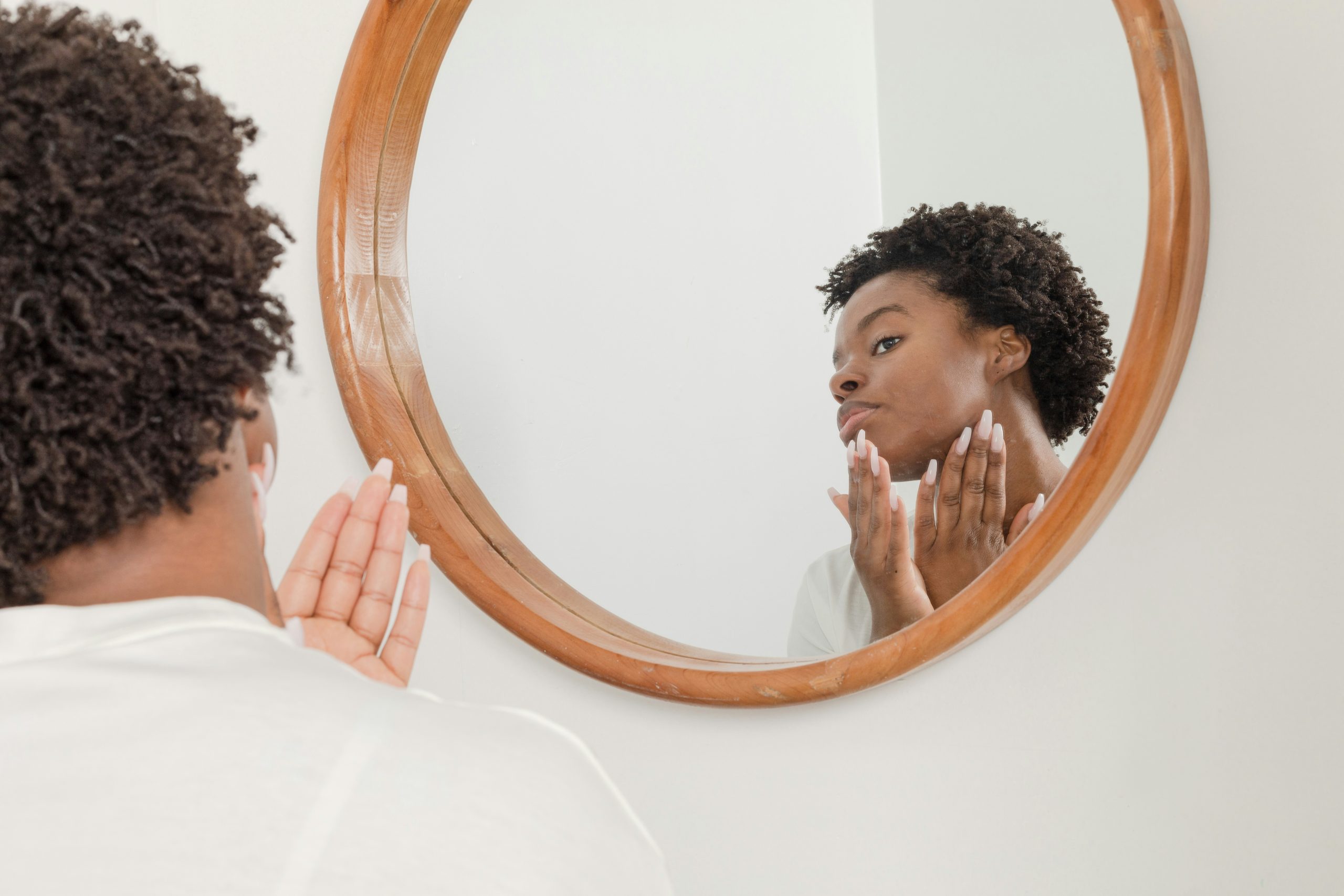
The science driving this shift is worth understanding. Skin longevity starts from the premise that how your skin functions matters more than how it looks at any given moment, with attention paid to mitochondrial health, cellular renewal cycles, and barrier integrity rather than surface level correction. Ingredients like peptides, ceramides, exosomes, and postbiotics are the building blocks of this approach, because they do not just erase what time has done, but they support what the skin is already trying to do. Dermatologists have been pointing toward this for years, with the argument that a strong barrier, consistent SPF use, and proven ingredients applied regularly will outperform any aggressive, reactive treatment in the long run. What has changed is that consumers are finally listening.
That shift in consumer behaviour is perhaps the most interesting part of this story. A generation that grew up being sold 10-step routines and viral serums promising overnight transformation has started asking different questions. The move is away from chasing the next trending ingredient and toward building skin health that lasts, with patients asking whether something will actually work long-term rather than whether it will deliver instant results. The beauty industry has historically thrived on the promise of the quick fix, the before and after, the visible result within 28 days. Skin longevity asks for patience, consistency, and a relationship with your skin measured in years rather than weeks. That is a harder sell, and it requires a different kind of trust between brand and consumer.
This brings us to the part of this conversation that deserves some scrutiny. Industry insiders are already flagging that a wave of established brands are simply swapping “anti-ageing” for “longevity” in their marketing copy without changing their formulations or research direction in any meaningful way. The language evolves because consumer sentiment has evolved, but the product inside the bottle has not necessarily followed. This matters because the longevity conversation, at its most genuine, represents a real departure from decades of fear-based selling. When it is co-opted purely as a marketing pivot, it risks becoming another iteration of the same old promise; “buy this, and time will leave you alone.”
The consumer who can tell the difference is one who has done the reading. Ingredient literacy is growing, and the more informed approach to skincare that is emerging in 2026 means people are less likely to follow complex or aggressive routines without genuinely understanding what each product is doing and why. That informed consumer is also more likely to notice when “longevity” on a label is backed by cellular science and when it is simply a word chosen by a marketing team. The gap between those two things is where the industry’s integrity is currently being tested.
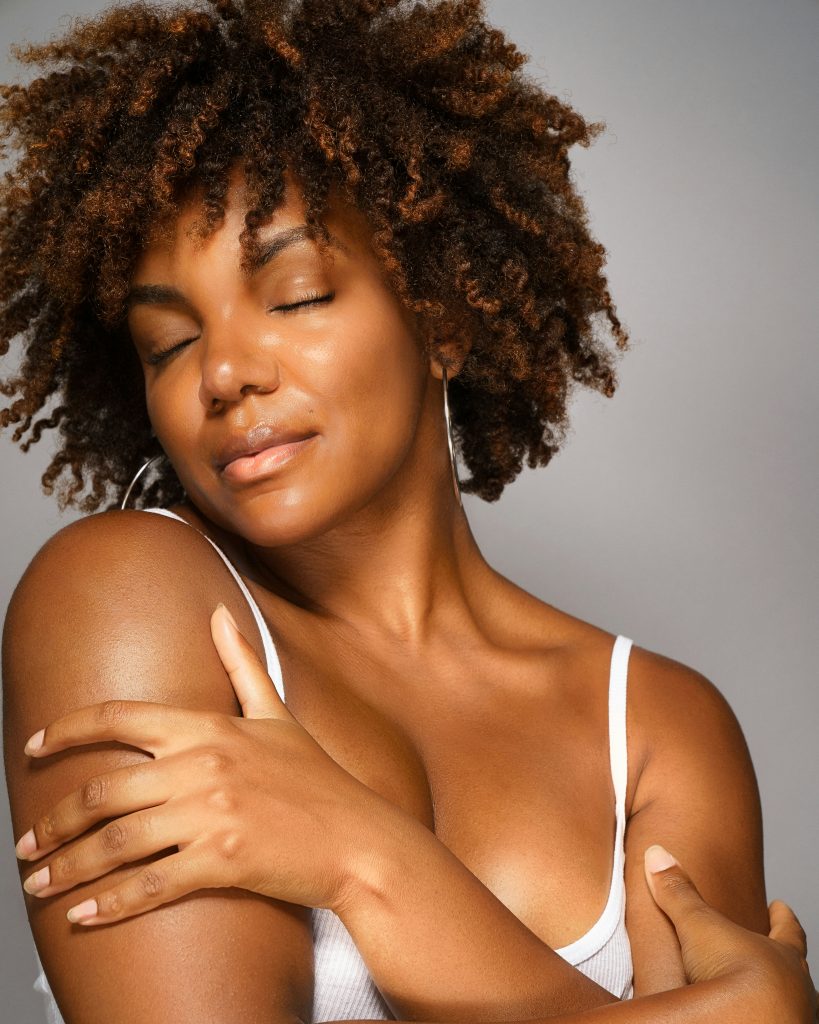
What the skin longevity movement gets right, at its core, is something that needed saying: ageing is not failure. The lines that appear, the texture that changes, the way skin tells the story of a life actually lived, none of that is evidence that something has gone wrong. The shift from “anti-ageing” to longevity is meaningful precisely because it begins from a place of respect rather than fear, the idea that the goal is not to look like you have not aged but to ensure your skin remains healthy, resilient, and functional as you do. As one skin specialist puts it simply
A few lines and wrinkles along the way is not failure, it is evidence of a life being lived.
That is a philosophy worth getting behind. The question, as with most things in the beauty industry, is whether the products being sold in its name are actually living up to it.
By Oluwadamilola Alade