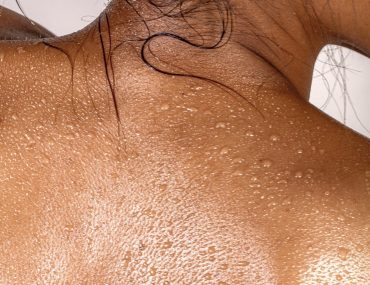
With the autumn season, many Africans may begin to notice changes in their skin, particularly when it comes to pigmentation. The shift in seasons can bring relief from summer sun exposure, but it also presents the perfect opportunity to address pigmentation concerns and treat them effectively.
Understanding pigmentation
Pigmentation refers to the colouration of the skin, influenced by melanin production. While melanin is essential for protecting the skin from UV damage, excessive or uneven production can lead to pigmentation disorders. These can manifest as dark spots, patches, or uneven skin tone, which many seek to correct through targeted skincare.
The types
There are several types of pigmentation, each requiring specific approaches for effective treatment:
Post-Inflammatory Hyperpigmentation (PIH): This type of pigmentation occurs after skin inflammation, such as acne, eczema, exposure to the sun, humidity or injury. It appears as uneven mottled, darkened spots in the affected areas.
Melasma: Often triggered by hormonal changes, melasma presents as symmetrical dark patches, usually on the cheeks, forehead, and upper lip.
Sunspots (Solar Lentigines): These develop due to prolonged sun exposure, appearing as brown spots on areas frequently exposed to the sun.
Freckles: While often genetic, freckles develop after prolonged exposure to the sun. Freckles can darken with sun exposure, particularly in fair-skinned individuals.
How it is formed
Pigmentation occurs when the skin produces excess melanin in response to triggers such as UV exposure, hormonal fluctuations, inflammation, or genetic predisposition. When these factors overstimulate melanocytes (the melanin-producing cells), pigment clusters form, leading to uneven skin tone and dark spots.
Targeting pigmentation
SKIN functional is at the forefront of pigmentation treatment, offering scientifically backed solutions formulated to improve skin clarity and even out skin tone. Their products contain high-performance ingredients known for their ability to regulate melanin production and promote skin renewal.
Key ingredients that treat pigmentation
If you struggle with pigmentation, incorporating the right ingredients into your skincare routine is essential.
- Retinol: A powerhouse ingredient in pigmentation treatment, retinol promotes cell turnover and accelerates the fading of dark spots. It also helps improve overall skin texture and boosts collagen production.
- Vitamin C: Known for its brightening properties, Vitamin C neutralises free radicals and inhibits excess melanin production, reducing pigmentation over time.
- Niacinamide: This multi-functional ingredient reduces the transfer of melanin to the skin’s surface while improving the skin barrier and reducing inflammation.
- Alpha Arbutin: A gentle yet effective melanin inhibitor that works to lighten hyperpigmentation without causing irritation.
- Azelaic Acid: This ingredient helps with post-inflammatory hyperpigmentation by reducing melanin synthesis and calming inflammation.
- Hexylresorcinol: This works by inhibiting the enzyme tyrosinase, which plays a crucial role in melanin production. By suppressing tyrosinase, it helps to reduce the formation of dark spots and hyperpigmentation.
- Butlyresorcinol: Reduces the appearance of dark spots and hyperpigmentation due to its potent tyrosinase inhibiting abilities.
- Tranexamic Acid: A synthetic derivative of lysine reduces hyperpigmentation, dark spots and improves overall skin tone by inhibiting the production of melanin.
By Skin Functional